


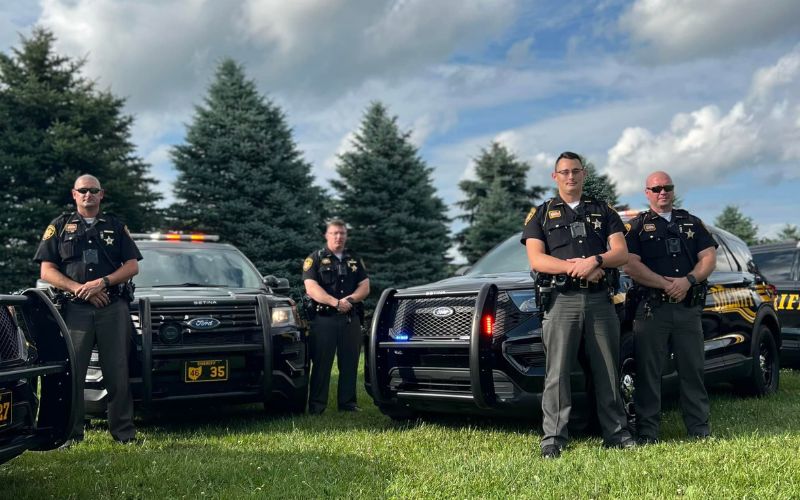
Ever wonder what a Logan County Sheriff’s deputy actually does in a day?
Spoiler alert: it’s a lot more than issuing speeding tickets.
According to the Sheriff’s Office, deputies’ duties break down like this:
- Patrol (50%) – cruising neighborhoods, responding to calls, and keeping residents safe
- Investigations (15%) – writing reports, digging into cases, appearing in court
- Traffic (10%) – enforcing road rules, investigating crashes, helping injured drivers
- Serving Papers (10%) – delivering warrants, subpoenas, and court orders
- Community (5%) – home checks, school visits, parades, escorts
- Transport & Other (10%) – moving inmates, backing up other agencies, handling emergencies
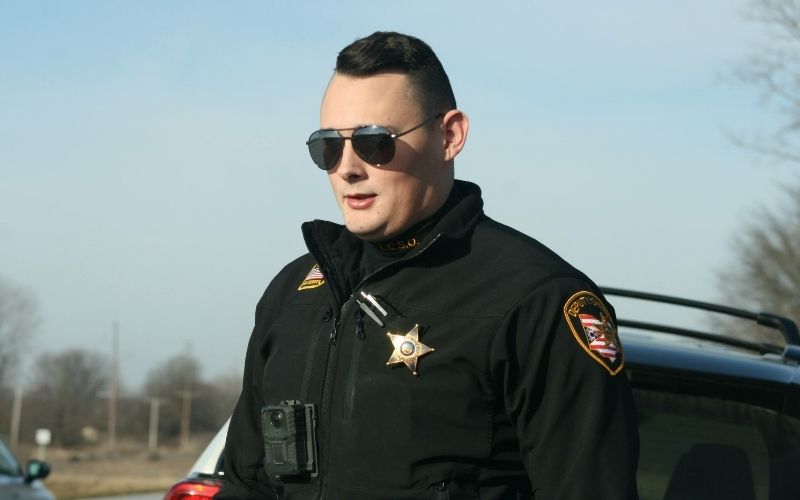
To see what that looks like in action, I jumped in the cruiser with Sgt. Levi Wells on a Friday night ride-along.
Ever hear the phrase, “Good Cop, Bad Cop”?
Wells is the good cop; he plays the role well.
Right off the bat, Wells removed a few watermelons that were in the middle of the road.
Like, what?!
How did they end up there?
He removed the hazards from the roadway and tossed them in the ditch.
We were off to an interesting start.
It wasn’t long after that when we spotted three vehicles pulled off on State Route 47.
Ultimately, one car ran out of gas.
Wells called dispatch, Wren’s Towing showed up within minutes, and ten bucks later, the driver was back on the road.
A simple fix, but it saved them a night of stress.
After that, we hit U.S. 33, where Wells checked in on another deputy during a stop.
This is where the good cop, bad cop comes in.
It was interesting to watch the exchange as the driver of the stopped vehicle did not have a valid driver’s license.
The mouthy driver was giving the first deputy a hard time, and Wells helped diffuse the situation.
After that situation wrapped up, Wells then scanned traffic for speeders, busted taillights, and lane-weaving.
Not exactly high drama—but it’s the reality of keeping roads safe.
Some nights are all about patience.
Back at the office, we grabbed a quick bite.
Around the table, the newest probationary deputy was getting his keys and discussing training with his Field Training Officer.
“We start them in the villages first,” Wells said. “It’s the best way to learn the county.”
Dinner didn’t last long.
Dispatch called in a high-speed pursuit involving the Bellefontaine Police.
Sirens on, lights flashing—we were rolling.
I’m an adrenaline junkie, and it was interesting to be a part of it.
The chase ended before we arrived, but it was a reminder of the importance of understanding traffic laws in emergencies.
Wells had a quick PSA: when you see lights and sirens, move over to the right. Fast.
Later, back at the office, Wells shared his journey.
He started as a corrections officer in 2019, became a deputy in 2021, and was promoted to sergeant in 2025.
His ultimate goal? Sheriff.
On another afternoon, I rode along with Logan County Dog Warden Jake Boyd to see what his role entails.
He is a blunt, no-fuss, no-frills kinda deputy, and marches to his own beat a little bit.
This was my second ride-along with him; the last ended with a fatal crash, highlighting another role Boyd plays as part of the county’s crash team.
Boyd has been making big changes since stepping into his role in 2023.
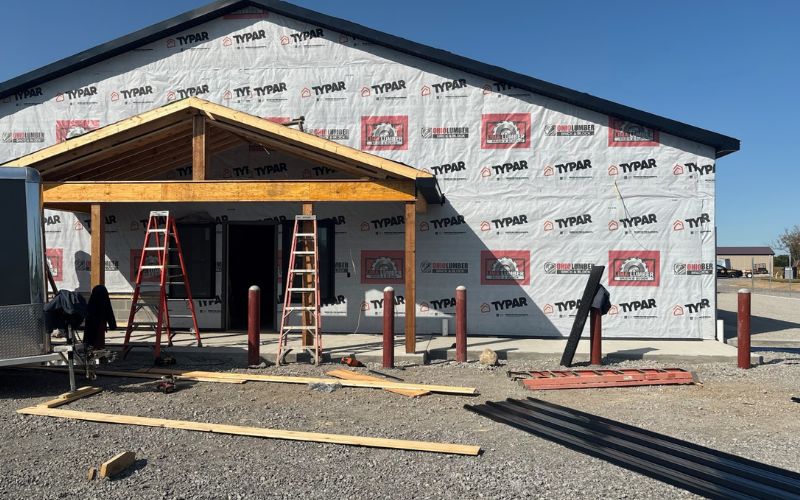
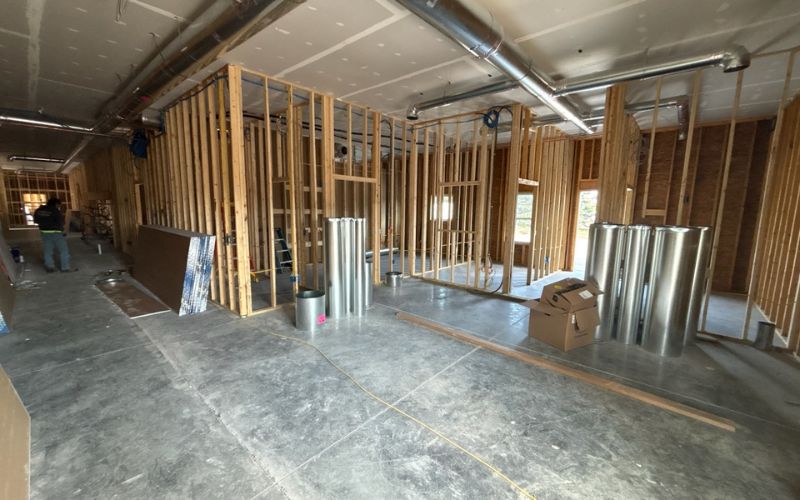
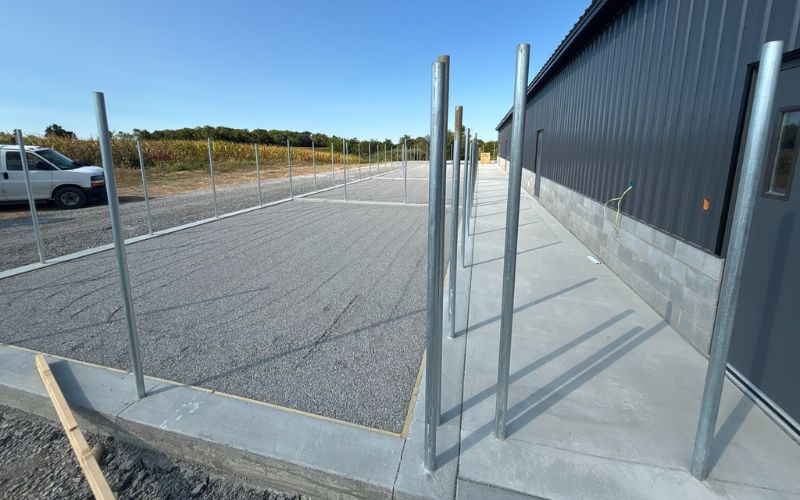
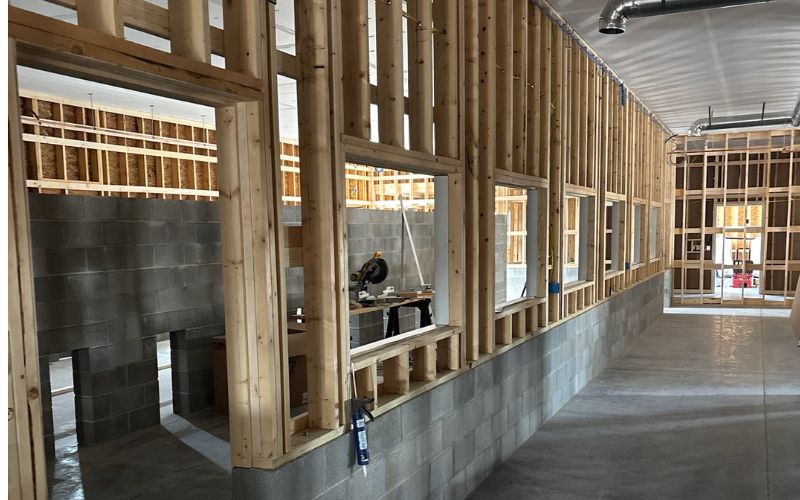
He’s been instrumental in building the new animal shelter on the Sheriff’s Office grounds, overseeing design, proposals, and project management.
The project will be complete sometime around the end of 2025.
It’s going to be beautiful and will serve as a much-needed facility that will really do a service to the county.
Boyd has also petitioned the county for support, including funds for premium animal cages, not something really in his job description, but he does it because it needs to be done.
Another theme that seems to run in Boyd’s blood.
To make things a little more complicated, he is also currently working with local schools to educate students on defensive driving.
He’s got a pretty cool plan he’s putting in place, again, another passion of his.
Check out some current photos of the shelter; it’s coming along nicely.
During our ride, Boyd had been tracking a dog reported in Bellefontaine.
He placed trail cameras to map its movements, checking them throughout the day.
No sightings yet, but after talking with neighbors, the cameras were repositioned.
Next, we moved a speed trailer to a known speeding area to slow down traffic.
It wasn’t a hard task, just time-consuming.
While there, dispatch called Boyd to a report of a dog bite on the north side of Indian Lake.
After setting up the trailer, we headed to Indian Lake, where Boyd completed a quick report and offered recommendations to the resident.
Lunch gave me a chance to ask Boyd a question I ask everyone I interview: Why do you do what you do?
His answer was candid and sincere, and focused on those who don’t have a voice.
Later, Boyd responded to a call about two loose dogs.
They were successfully secured (after a quick chase) and placed in the Sheriff’s Office kennels.
It was the end of his day, but it was far from routine—our previous ride-along included issuing dog tags and responding to a crash that became a fatality.
Watching him work the scene was incredible.
The crash team was able to reconstruct the incident, pinpoint exactly where and how it occurred.
Despite the tragic circumstances, the calm professionalism of all first responders was amazing.
Boyd summed up the philosophy of his complex role perfectly:
“We’re not in the business of taking people’s money; we’re in the business of keeping people safe!”
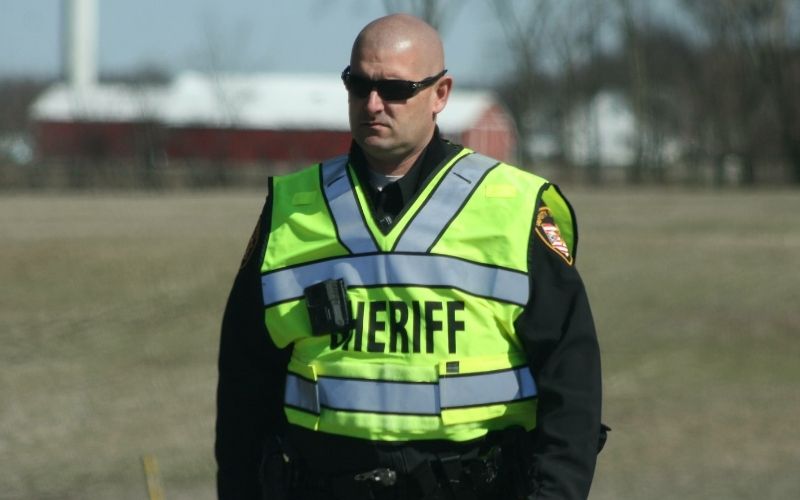
Another day, I joined Deputy Will Edgar, whose specialty is tracking drugs.
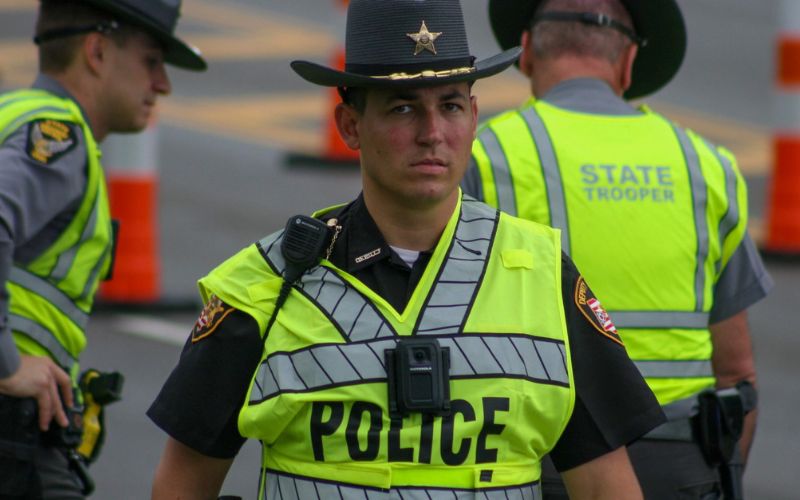
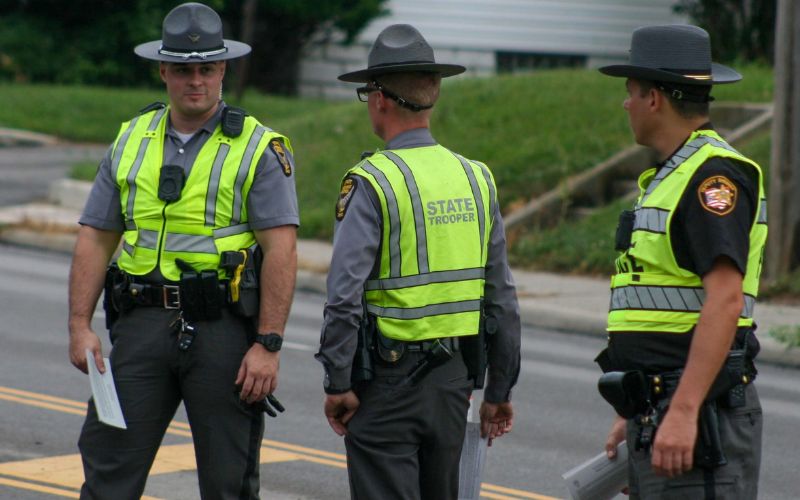
That Friday was particularly interesting because we participated in an OVI checkpoint sponsored by the Ohio State Highway Patrol in Bellefontaine.
Hopping in Edgar’s patrol car, the first thing I noticed was how spotless it was.
Then we hit the road. Edgar ran plates on passing vehicles in real time, quickly spotting expired registrations or suspended licenses.
He pointed out subtle red flags—like rentals, tinted windows, loud exhaust, and distracted drivers—that most people would never notice.
After a few stops, we headed to the checkpoint at the fairgrounds to meet troopers and local police.
Each officer had a vital role.
For the first time, I witnessed a field sobriety check and saw firsthand how officers determine sobriety quickly and accurately.
Before I knew it, my time was up, but I left with a much deeper understanding of the deputy’s work.
I learned so much from these gentlemen, more than I can put into one article.
Between these three ride-alongs, one thing is clear: being a Logan County Sheriff’s deputy is a mix of routine, adrenaline, and community service.
Whether it’s rescuing stranded drivers, checking traffic, responding to high-speed pursuits, tracking down loose dogs, or helping in fatal crashes, deputies and wardens put in long hours to keep the community safe.
A couple of shifts. A handful of calls. Miles of driving.
And a clear picture emerges: the job of a deputy is demanding, varied, rewarding, and essential—far beyond what most people realize.


