


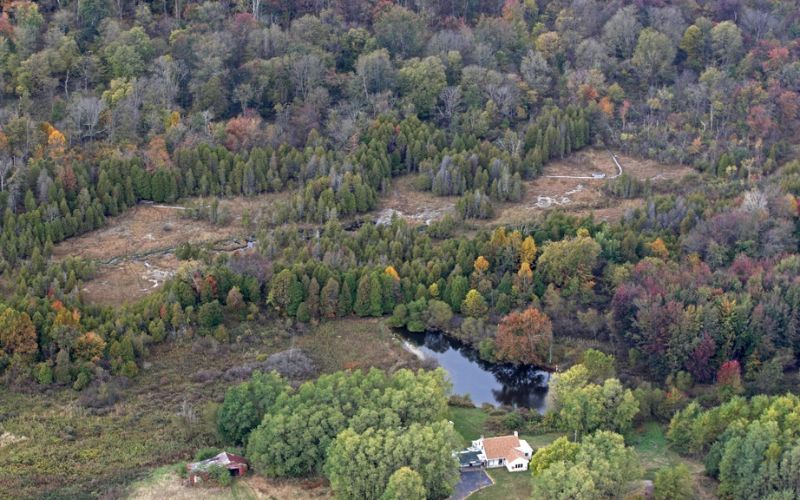
Located just south of Urbana near the edge of Champaign County, Cedar Bog Nature Preserve stands as one of Ohio’s most remarkable natural areas and a defining feature of the region.
Despite its name, Cedar Bog is not actually a bog—it is a boreal fen, a rare type of wetland fed by groundwater rather than rainfall. The preserve sits atop a glacial aquifer that supplies a steady flow of cold, calcium-rich water. This unique hydrology keeps temperatures stable year-round and creates ideal conditions for plant species typically found much farther north, as well as species associated with Midwestern prairies.
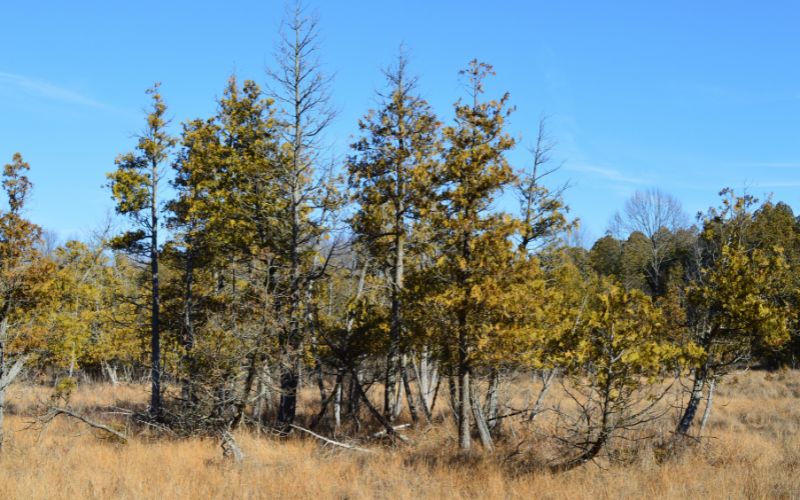
The site is a direct remnant of the last Ice Age. As glaciers retreated from Ohio roughly 12,000 years ago, they carved out depressions and left behind cold-water systems that allowed boreal plants—such as spruce, fir, and tamarack—to thrive. While most of these species disappeared as the climate warmed, they persisted in specialized environments like Cedar Bog.
Historically, the Mad River Valley near Urbana was home to a vast 7,000-acre wetland complex. As settlers moved into the region, most of it was drained and converted to farmland. Today, only about 450 acres remain, making Cedar Bog one of the last and best-preserved examples of this once-expansive ecosystem.
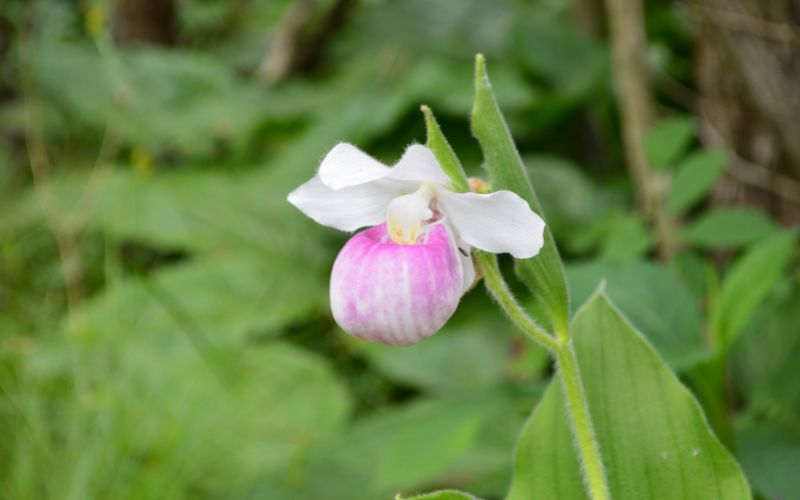
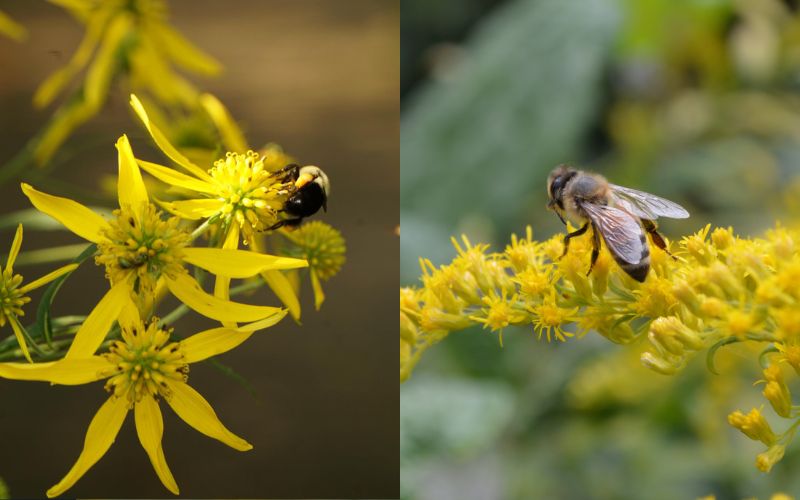
The preserve is nationally recognized for its biodiversity. More than 520 species of native plants—over a quarter of Ohio’s total—have been documented here. Cedar Bog also supports more than 40 rare, threatened, or endangered species. Among its most notable plants are the showy lady’s slipper orchid, one of North America’s largest and most striking orchids, and several carnivorous bladderwort species that trap tiny aquatic organisms.
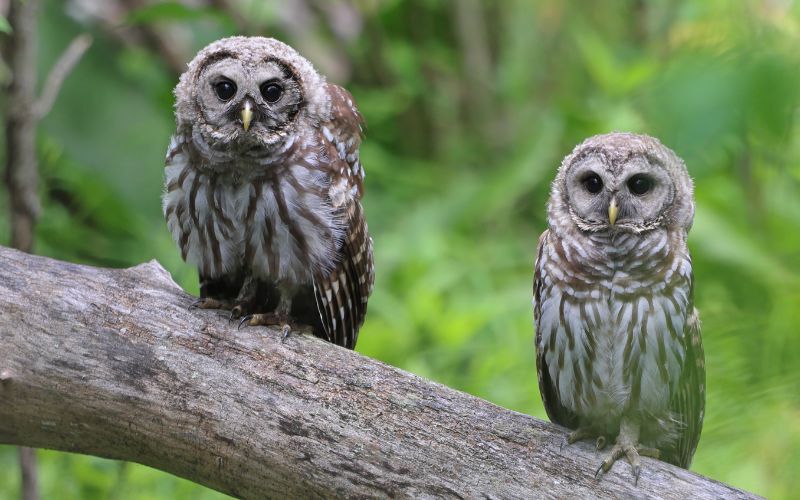
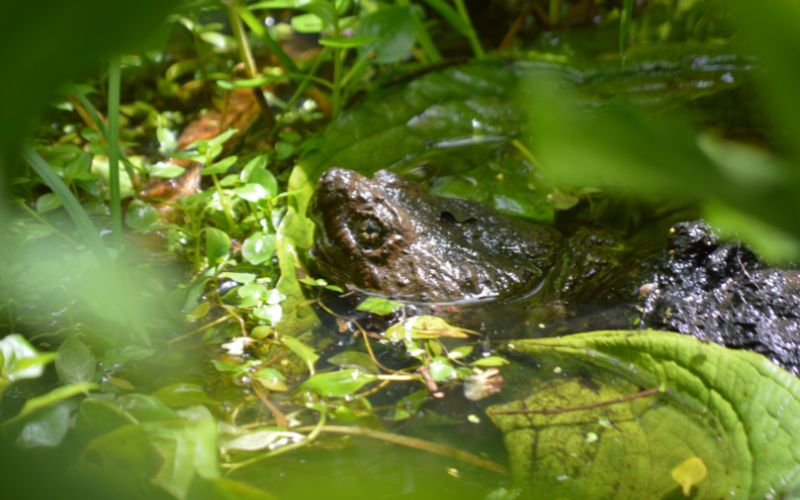
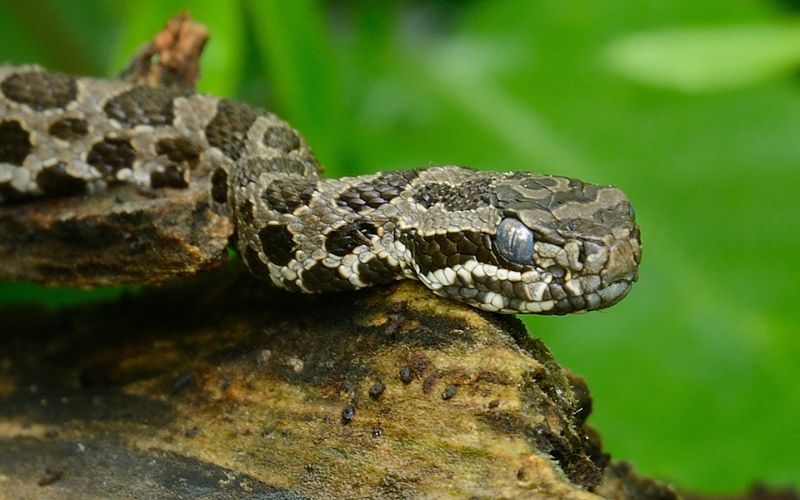
Wildlife is equally impressive. Visitors may encounter five-lined skinks darting along the boardwalk, rare insects like the elfin skimmer dragonfly, and a variety of birds that rely on the fen’s unique habitat. The preserve also supports sensitive species such as spotted turtles and massasauga rattlesnakes.
A nearly mile-long boardwalk allows visitors to explore the fen without disturbing its delicate soils and plant communities. Seasonal highlights include marsh marigolds in early spring, orchids and prairie wildflowers in late spring and summer, and vibrant wetland vegetation throughout the growing season.
Cedar Bog’s survival is due to early conservation efforts. The first land purchases to protect the site were made in 1942, and it is now managed by the Ohio History Connection. It has been designated a National Natural Landmark by the National Park Service and remains one of Ohio’s highest-quality nature preserves.
Preserve manager, Madison Brown, details her journey to the Bog and what makes the space so special.
In recent months, Cedar Bog has also been part of discussions surrounding a proposed data center development near Urbana. Plans have outlined a hyperscale facility of approximately 460,000 square feet to be built about 1.5 miles north of the preserve. Data centers of this scale can require significant energy and water resources, with some facilities using hundreds of thousands of gallons of water per day and large amounts of electricity.
The proposed site is located above the same aquifer system that supplies Cedar Bog’s groundwater. The preserve’s wetland ecosystem depends on a consistent flow of clean, cool groundwater to maintain its plant and animal communities.
In March 2026, the issue drew significant public attention during a meeting of the Urbana City Council, where residents voiced concerns and information was presented regarding the project. Following the meeting, council members approved a one-year moratorium on the proposed development, and the staff at Cedar Bog continues to push for research about the project.
Today, Cedar Bog continues to serve as a place for education, research, and outdoor exploration, while also highlighting the importance of protecting Ohio’s remaining natural landscapes.


