


Under the quarantine, products such as trees and nursery stock may not be moved out of Ohio without a compliance agreement, permit, or inspection certificate.
Producers who ship these products to non-regulated areas must have their stock inspected, and each load must be accompanied by a certificate that confirms their product is free of SLF.
Businesses that need assistance with certifying shipments of products at risk of spreading SLF should reach out to ODA’s Plant Pest Control Section for assistance.
ODA is no longer encouraging community members to report sightings of the spotted lanternfly in the state of Ohio.
Recommendations on treatment methods for SLF on your property can be found in ODA’s Spotted Lanternfly Management Guide.
“The spotted lanternfly is an invasive pest that is known to cause harm to Ohio’s agricultural industry,” ODA Director Brian Baldridge said. “ODA is committed to protecting and preserving our plant life, and plant health experts are working with nurseries and wineries to reduce the negative impact of SLF.”
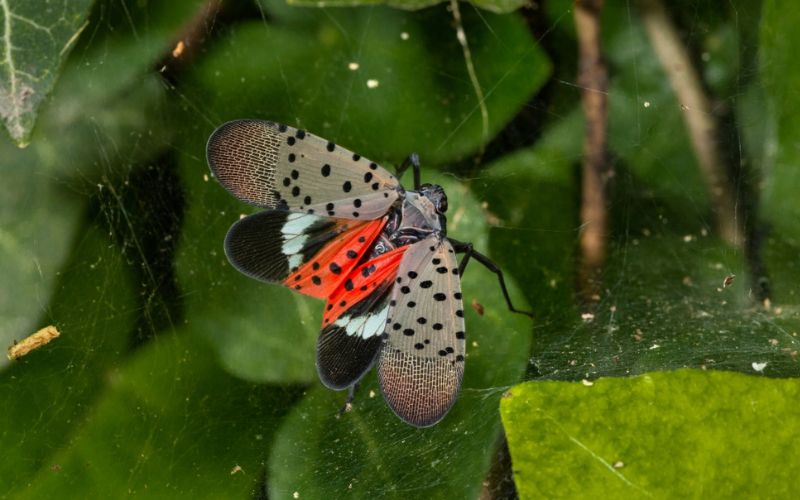
The spotted lanternfly is an insect native to Asia that is a pest of grapes, hops, and apples, along with many other species of plants.
This pest is specifically a concern for Ohio’s grape and wine industry, which contributes more than $6 billion dollars in economic activity to the state yearly.
An invasive tree known as tree of heaven is the primary host for spotted lanternfly.
The spotted lanternfly was first detected in the U.S. in Pennsylvania in 2014. It was likely brought to the U.S. by imported goods. The first confirmation in Ohio was in Mingo Junction in 2020.


