


The Ohio Department of Natural Resources (ODNR) Division of Wildlife has announced a $9 million funding opportunity for Ohio landowners interested in restoring native grassland habitat.
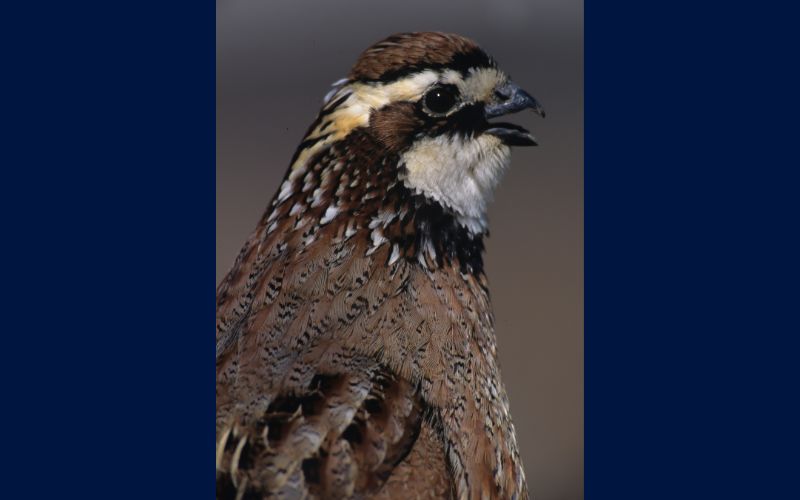
The initiative is part of a broader conservation effort aimed at reversing the decline of grassland birds like the northern bobwhite quail, which have suffered from widespread habitat loss.
Eligible landowners can apply for grants that will support the creation of healthy grasslands on both cropland and non-cropland.
Funding is available on a per-acre basis or based on the number of projects, with contract terms ranging from one to four years.
Hands-on technical support is also provided at no cost through a partnership between ODNR and the National Bobwhite and Grasslands Initiative Foundation.
“This grassland habitat program is a win-win for landowners and wildlife,” said John Kaiser, Private Lands Program Manager for ODNR’s Division of Wildlife. “Healthy native grasslands support pollinators, improve soil health, and create vital cover for birds and other wildlife. With the right guidance and support, landowners can make a big difference.”
In addition to providing critical habitat for at-risk species, the program offers customized land management strategies that can align with a landowner’s goals—whether that’s improving soil, supporting livestock, increasing recreational value, or enriching overall biodiversity.
“This partnership is more than just funding; it’s about bringing together people who care about working lands, biodiversity, and long-term stewardship,” said Matt Gardner, State Regional Conservation Partnership Program Coordinator for the National Bobwhite and Grasslands Initiative Foundation.
The initiative is funded through the U.S. Department of Agriculture’s Natural Resources Conservation Service as part of a multi-state effort to revive native grassland ecosystems.
Long-term impacts of the program will be tracked to assess improvements in bird populations, habitat quality, and broader environmental benefits.
To learn more or begin the planning process, interested landowners are encouraged to contact a Wildlife Management Consultant.
More information is available at wildohio.gov and nbgif.org.


