


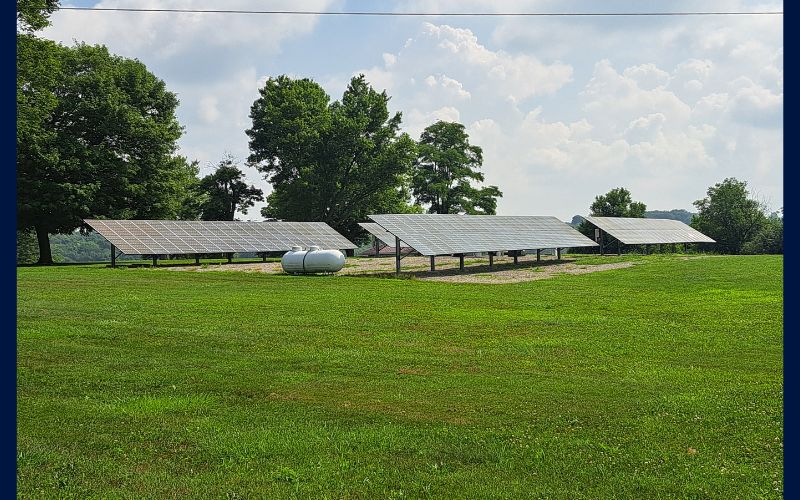
The Ohio Caverns in West Liberty have provided 35 acres of beautiful scenery and amazing underground tours since opening in 1925 (discovered 28 years prior as the Mount Tabor Tours). Caring for the environment and providing an enjoyable time in the park are their biggest concerns. So it came as no surprise when the owner, the late Eric Evans, came to his staff with the idea of going solar back in 2016.
JD Harshfield, current manager of the Caverns, explains.
As a company based solely on the preservation and conservation of its beautiful natural resource, the Ohio Caverns proudly celebrates being a net-zero energy facility. They make removing their carbon footprint a daily goal.
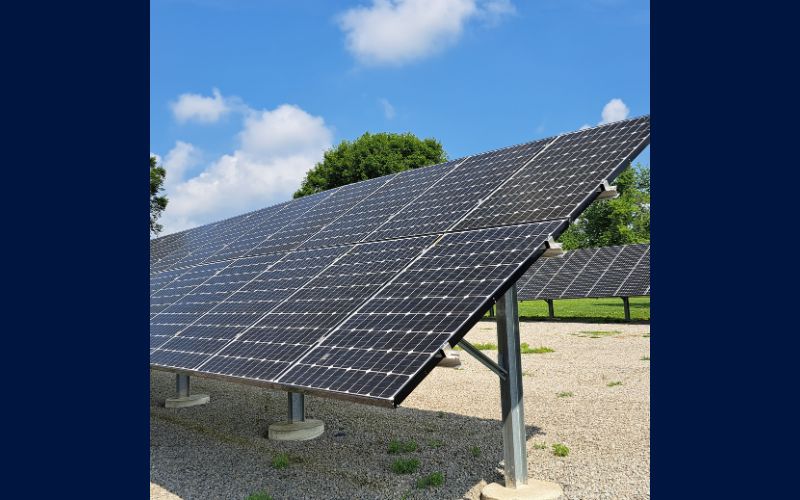
The Ohio Caverns Solar Field was completed in 2017 as a collaborative effort between the caverns and OGW Energy Resources. More than 160 high-efficiency panels are estimated to offset approximately 100% of the caverns’ yearly kWh usage. During the life of the system, the field will produce well over one million kWh. It provides enough energy to light the caverns, run the hand dryers in the restrooms, and power the computers in the gift shop. In using their own power supply, they save nearly 50,000 pounds of coal from being burned each year. They also save more than 30,000 pounds of propane from being used annually. They recycle nearly 16 tons of waste each year and save more than 50 acres of oxygen-producing forests.
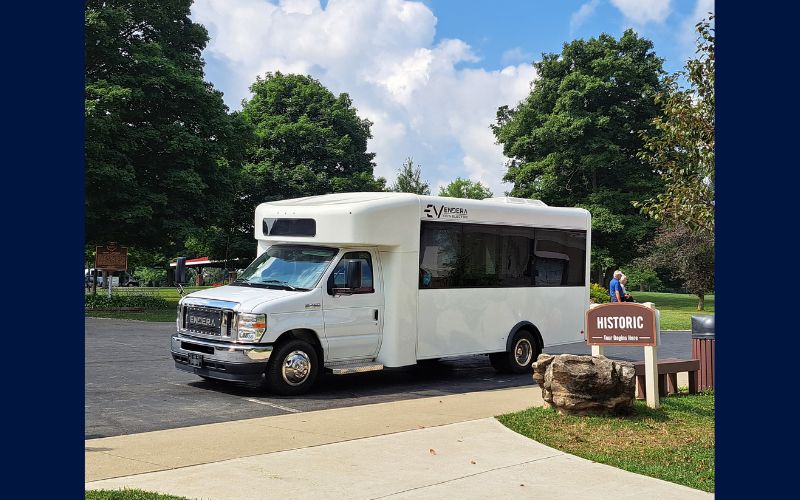
In recognition of 100 years as the Ohio Caverns, they recently introduced their newest addition to the green team… a 100-percent EV bus they use to transport guests for historic tours. It replaces their older gas-fed bus to help reduce costs and environmental impact. They charge the new bus three times a week at one of their four EV charging stations on site.
With solar arrays being a hot topic in local communities, Harshfield says it should be an individual’s choice whether to go solar or not.
In addition to producing their energy, the Caverns use all LED lighting above and below the surface, recycle when they can, and use a waterless urinal system in their restrooms. They also use highly efficient hand dryers in their restrooms and automatic on-and-off sinks to conserve water.


