


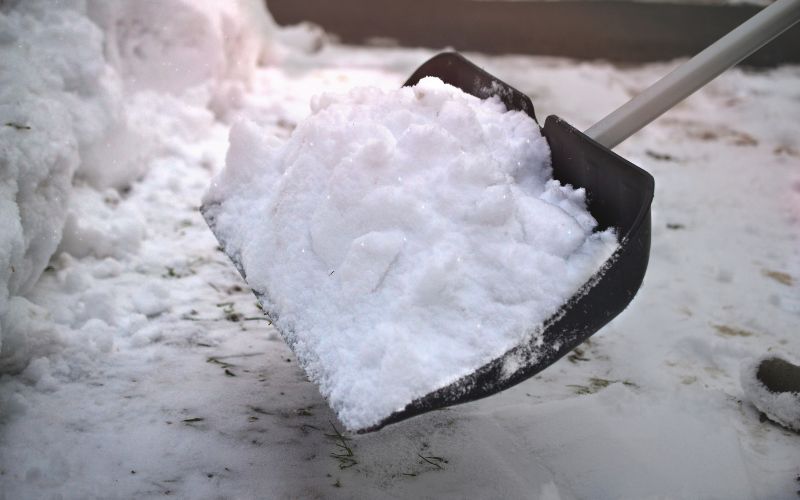
As winter storms bring heavy snowfall across the region, experts are reminding residents that snow shoveling can be both physically demanding and potentially dangerous. Understanding proper techniques and taking safety precautions can help reduce the risk of injury while keeping driveways and sidewalks clear.
According to the National Institutes of Health, more than 11,000 people are injured every winter while shoveling snow, with an average of about 100 deaths each year, most often caused by heart attacks. Medical professionals say the combination of cold temperatures and heavy exertion places sudden stress on the heart, especially for those with underlying health conditions.
Dr. Jacob Harshfield at Elevate Chiropractic gives some useful tips on how to effectively shovel snow without causing injury:
Know Your Snow Type
Not all snow is the same, and how you remove it matters. Light, dry snow is easier to push and can often be cleared with a wide shovel. Heavy, wet snow is much denser and should be removed in smaller scoops to avoid overexertion. Wet snow can weigh significantly more, increasing the risk of muscle strain and heart stress.
Use Proper Technique
Experts recommend pushing snow to the side whenever possible rather than lifting and throwing it, especially over the shoulder. When lifting is necessary, bend at the knees, keep the shovel close to your body, and use your legs—not your back. Twisting while throwing snow should be avoided, as it can lead to serious muscle and back injuries.
Pace Yourself
Snow shoveling is a full-body workout. The American Heart Association notes that heart rates can reach around 170 beats per minute while shoveling, compared to about 120 beats per minute when using a snow blower. Start slowly, take frequent breaks, and stay hydrated. Stop immediately if you experience chest pain, dizziness, shortness of breath, or extreme fatigue.
Dress and Prepare Properly
Dress in warm layers, wear sturdy footwear with good traction, and warm up with light movement before heading outside. Clearing snow early and often, rather than waiting for it to pile up, can make the task safer and easier.
Consider the Health Risks
Doctors warn that snow shoveling can trigger medical emergencies, particularly for older adults or those with heart conditions. During major snow events, using a snow blower, asking a neighbor for help, or hiring a service may be safer alternatives.
Stay Safe This Winter
Officials encourage residents to listen to their bodies and avoid pushing beyond their limits. No driveway or sidewalk is worth a trip to the emergency room. Taking a slower, safer approach can help ensure winter cleanup doesn’t turn into a health emergency.


