


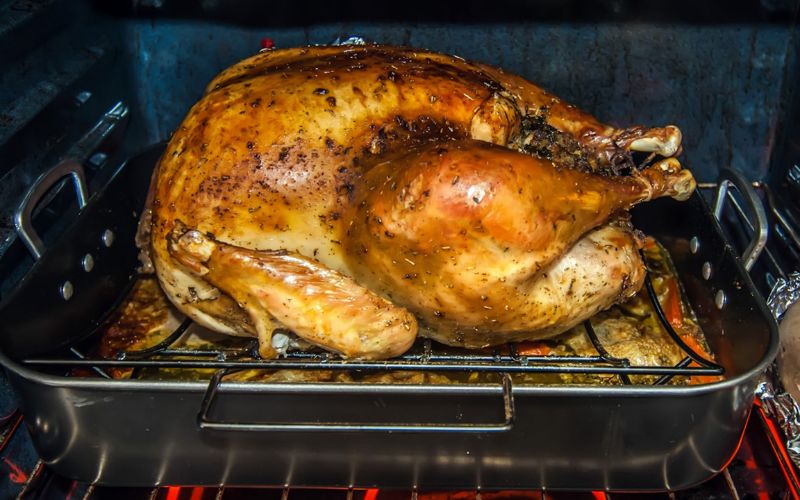
Thanksgiving is a time-honored tradition, but the turkey centerpiece can feel intimidating. With careful planning, the right techniques, and attention to safety, you can make a delicious, juicy bird for your holiday table.
The Thanksgiving turkey we know today wasn’t actually the star of the first celebration in 1621. Early Plymouth settlers and the Wampanoag tribe likely shared a meal of deer, corn, seafood, and small wildfowl. Turkey only became a staple centuries later, thanks to its practicality and popularity promoted in the 19th century.
Today, roasting a turkey is both a culinary and cultural ritual, and there are many ways to make it easier and tastier.
Flavor Tips from the Pros
There is no one pride and true way to prepare your main course, but top chefs recommend a variety of tips that can enhance the flavors of your festive bird.
-
Brine for flavor: Soaking the turkey in a saltwater or flavored brine (with herbs, citrus, or spices) before roasting helps it stay juicy and adds depth of taste.
-
Add flavored butter or oil: Spread herb, garlic, or miso butter under the skin and over the breast to boost richness and flavor.
-
Use aromatics in the cavity: Onions, garlic, citrus, or fresh herbs inside the turkey can infuse subtle flavor as it cooks.
As for the actual cooking method, that can widely vary depending on what you’re after. There are three main ways to prepare the turkey below, along with their advantages.
-
Traditional roasting: Reliable and even.
-
Spatchcocking: Remove backbone and flatten to reduce cooking time and brown evenly.
-
Deep-fat frying: Only with a fully thawed bird and extreme caution.
Find the method that works best for you and follow these tips to help cook your turkey.
-
Cook thoroughly: Roast at 325 °F or higher. Use a food thermometer in the thickest part of the breast, thigh, and wing; all should reach 165 °F.
-
Thermometer is key: Check multiple spots; appearance alone isn’t reliable for doneness.
-
Rest before carving: Let the turkey sit 15–20 minutes so juices settle, making it moist and easier to carve.
-
Prevent cross-contamination: Keep raw turkey and juices away from other foods; wash hands, utensils, and surfaces thoroughly.
-
Moisture & browning tips: Loosely cover with foil for part of cooking, then remove to crisp the skin.
-
Store leftovers safely: Refrigerate in shallow containers within 2 hours, eat within 3–4 days, or freeze for longer.
Ohio Hi-Point Culinary Instructor Louie Ortega says that cooking a turkey is not as scary as it may seem at first.
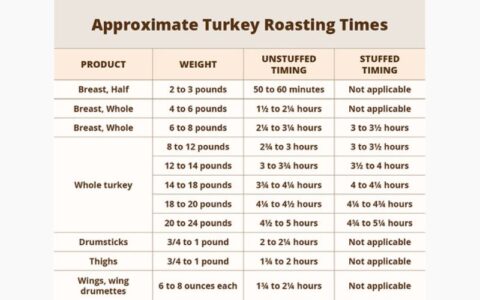
USDA Food Safety Tips
Food safety is critical when handling poultry. Use a food thermometer to check internal temperatures in the breast, thigh, and wing; the turkey is safe to eat when each reaches 165 °F. Stuffing should also reach 165 °F. After cooking, allow the turkey to rest for 15–20 minutes so juices settle before carving. Leftovers should be refrigerated within two hours and eaten within 3–4 days or frozen for later use.
If you plan to stuff your turkey, it is safest to cook the stuffing separately. If you do stuff the bird, mix ingredients just before filling, stuff loosely, and ensure the center of the stuffing reaches 165 °F.
For tips on thawing your turkey, check out that article on PeakofOhio.com HERE.
Finishing Touches
Carve the turkey after resting, serve with your favorite sides, and enjoy the fruits of careful preparation. By combining flavor techniques from chefs with careful attention to USDA safety guidelines, you can create a Thanksgiving turkey that is both delicious and safe for the whole family.


