


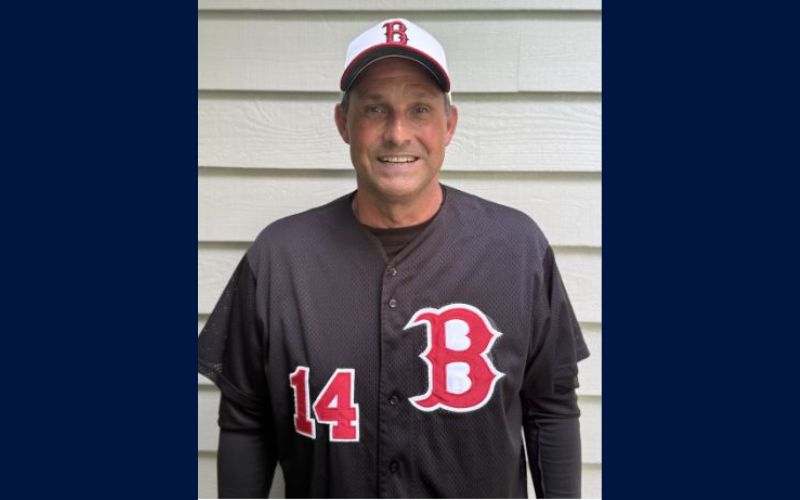
With more than four decades of experience in athletics, Mark Brunswick, a former Bellefontaine baseball coach, is sharing insights on what it truly takes for young athletes to succeed. Drawing on his time as a professional athlete, coach, and a former draft pick of the New York Mets, Brunswick reflects on the evolution of youth sports and the differences between past and present-day athletes. In this column, he explains the qualities coaches and recruiters continue to value most — discipline, accountability, and responsibility — and why those foundations remain critical for success both on and off the field.
By: Mark Brunswick
As I write this article, I draw on more than 40 years of experience to help families and athletes better understand what coaches — especially college coaches — are truly looking for in their programs. My purpose is simple: to help young athletes pursue their passion the right way.
After spending more than four decades as a professional athlete, coach, and player, I’ve experienced the “old school,” the “new school,” and everything in between — including the debate over whether a coach should be a disciplinarian or a “player’s coach.” Over the years, standards have shifted, but one truth remains constant.
We need to return to what I call ONE SCHOOL — the school of self-discipline, accountability, and responsibility.
These three foundations should never waver in the mentorship of an athlete. When combined with passion, they lead not only to success in sport, but to success in life. These are non-negotiables. And despite how society may evolve, these are still the qualities coaches look for today.
Past Athlete
The past wasn’t perfect. Athletes made mistakes then just as they do now. But families, coaches, and teachers consistently emphasized mentorship and instilled the foundational principles that gave athletes structure and direction.
Those foundations — self-discipline, accountability, and responsibility — cannot be overlooked. They provide stability during the critical years when young athletes are still developing life skills.
Over the years, I’ve seen extremely talented athletes fall short because they lacked these foundations. On the other hand, I’ve watched average athletes rise to extraordinary levels of success because they had structure, discipline, and strong mentorship in their lives.
Never underestimate the power of these intangibles. They can be the difference-maker in a young person’s journey.
Parents and mentors: be present. Be supportive. Help athletes develop these core values. When structure and support are in place, athletes have more fun and grow a deeper passion for their sport.
Work hard. Hold yourself accountable every day. That is what truly defines the term student-athlete. If you commit to these principles, you will always be a winner — in sports and in life.
Present-Day Athlete
Today’s athletes are often more athletic than ever before. They have greater access to training, exposure, and opportunity. However, in some cases, work ethic, commitment, and team-first mentality are declining.
We must refocus on the foundations.
Without discipline and accountability, even the most talented athlete can fall short of their dreams. There are no shortcuts. Hard work will always speak louder than entitlement.
Failure is not the enemy — it is the teacher. Growth comes from adversity.
Parents and mentors: allow your athletes to fail. Support them through difficult moments, but don’t remove every obstacle from their path. Overprotection can hinder development and remove the joy from the game. Too much pressure can cause athletes to walk away altogether.
Trust the process.
As one respected scout once told me, “If you’re good enough, they will find you.” When athletic ability is combined with hard work and strong foundational values, that athlete can achieve great things — both in sport and in life.
Coaches and Recruiters
Unfortunately, many athletes fall short not because of talent, but because they lack foundational character traits.
In my experience around some of the best coaches and recruiters in sports, intangibles are often the deciding factor. Coaches look beyond statistics. They evaluate character.
They notice:
-
Body language
-
Attitude
-
Coachability
-
Team-first mindset
-
Work ethic
-
Classroom performance
Academics matter. I’ve seen many talented athletes lose opportunities simply because they neglected the classroom.
If a coach sees poor attitude, lack of accountability, or selfish behavior, they will move on — regardless of talent. There are always other athletes who combine skill with character.
These traits separate good athletes from great ones.
Stay committed. Stay disciplined. Control what you can control. When you do, opportunities will follow.
My Purpose for Sharing
After more than 40 years in sports — including being drafted by the New York Mets — I felt compelled to share what I’ve learned.
Some will listen. Some won’t.
But if you truly want to get noticed, build your foundation first. Strive to work hard every day. Stay true to your values. Do what is right, even when no one is watching.
Success has a way of finding those who prepare for it.
In Closing
Enjoy your high school years. Don’t chase scholarships. If you are good enough — and if you’ve built the right foundation — scholarships will find you.
Too often, we remove the joy from youth sports by focusing solely on outcomes. Let athletes grow. Let them compete. Let them learn.
Let’s move the needle back toward ONE SCHOOL — the school built on discipline, accountability, and responsibility.
That is the key.


