
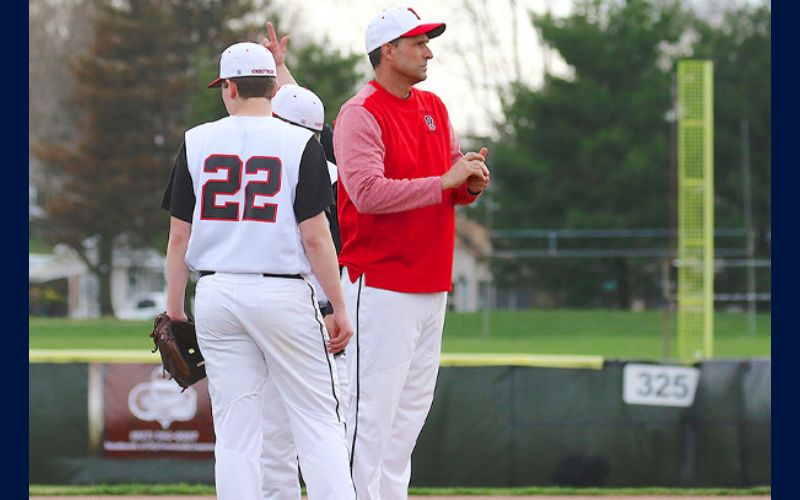
With decades of experience in athletics, former Bellefontaine baseball coach and former New York Mets draft pick Mark Brunswick is offering his perspective on the ever-changing landscape of high school and college sports. From the rise of NIL deals and the transfer portal to the evolving culture surrounding young athletes, Brunswick shares lessons he has learned through years of coaching, mentoring, and communicating with college and professional recruiters. In this column, he explains why character, discipline, accountability, and teamwork continue to matter just as much — if not more — than athletic ability in today’s recruiting world.
By: Mark Brunswick
As I ponder writing this article on high school sports, I keep bouncing around ideas like the transfer portal, extended college eligibility, and the NIL system. I have come to the realization that these things are here to stay, and we will simply have to adjust to the process.
With all of these changes in the athletic system, however, several things cannot change when it comes to how you approach your sport and the values you carry in life.
I have sat back and watched the modern-day sports world evolve, and I have noticed many things that have become accepted that stand in harsh contrast to what recruiters are actually looking for in an athlete. Examples include bat flips, taunting teammates or opponents, showing up teammates, antics on the court or field, excessive showmanship, and simply being too focused on yourself instead of being a good teammate.
I, along with many coaches who truly care about athletes’ future success, try to educate young athletes on what is right and how to properly handle themselves both on and off the field.
Unfortunately, coaches who want to see the best in athletes often seem to be in the minority. Many coaches or mentors today allow athletes to conduct themselves in selfish ways that can actually stunt their future progress. Please do not be that coach.
Ever since the debate between the “old school” and “new school” coaches began, we have lost stability in defining what an athlete should look like, both on and off the field. Remember, there is only ONE school when it comes to success: responsibility, accountability, and self-discipline.
The coach and athlete who adhere to these values will often develop a mentorship that lasts a lifetime and eventually turns into an everlasting friendship.
How many times over the course of life do you hear someone say, “Man, I wish I had someone mentor me through sports and life,” or “I wish I had those years back?”
Well, here it is. Take something from this advice because people are watching your every move throughout the recruiting process. You only get one chance.
Many of the things recruiters watch for have nothing to do with your athletic ability. I am trying to give you years of advice gathered through daily conversations with recruiters ranging from the professional ranks to every level of college athletics.
Things recruiters have shared with me that will quickly turn them away from an athlete include:
- Poor body language
- The way you speak to people
- Showmanship that demonstrates individualism
- Not caring about others’ success
- Pouting and failing to be a team player
- Troubled behavior
- A troubling social media presence — often the first thing they check
- Academic neglect
- Lack of effort or hustle
- Inability to fight through adversity
- A “me over we” personality
Notice that not one of those things has anything to do with your athleticism or success in your sport. Remember, there are millions of athletes out there who are just as talented as you are. THESE are the separators that can keep coaches from recruiting — or even signing — you.
On the flip side, recruiters are looking for:
- Pure hustle
- A relentless desire to win
- Strong classroom performance
- Caring more about results than statistics
- Genuine care for others’ success — Mudita
- Playing for your team and not the name on the back of the jersey
- Self-discipline, responsibility, and accountability
- Respect shown to coaches, umpires, and officials
- Your response after adversity strikes
- How you present yourself on the field
- A willingness to prepare to win
With NIL and the transfer portal becoming permanent parts of college athletics, being a Division I athlete will continue to be a gamble unless you are a bona fide blue-chip player.
Keep working hard on your craft while paying close attention to the intangibles listed above. Be patient throughout the process. It is perfectly all right to attend a school that is not Division I. Put up strong numbers, continue to develop, and maybe enter the transfer portal later for a Division I opportunity.
Remember, schools recruit athletes from every level of college athletics.
Words of advice from someone who has watched all of this unfold: enjoy your high school years. Don’t chase scholarships — let them chase you. Let the process unfold naturally.
I once knew a family that spent tremendous amounts of money at various levels in hopes of earning a college opportunity. In the end, that opportunity never came. Was the investment worth it?
Play your cards wisely. Many sports do not offer full-ride scholarships.
Focus on the intangibles above and hopefully earn an opportunity. Worst-case scenario, these qualities still provide you with life skills that will benefit you forever.
Only 2-3% of athletes get the opportunity to play at the next level.
My suggestion? Save your money and pay for your athlete’s first year of college. That is a tremendous start to college life.
The recruiting system today simply does not favor the high school athlete anymore. It is unfortunate, but that is the reality of today’s society.
Take care of the intangibles above, because coaches love self-disciplined athletes — and sometimes, that alone can earn you an opportunity.