The following has been submitted by the Logan County History Center:
By: Mary E. Mortimer
For more than a century, the A.J. Miller Co. helped shape Bellefontaine’s industrial story. Founded as a family carriage shop, the company grew into a leading manufacturer of hearses, ambulances, and specialty vehicle bodies, earning a reputation for craftsmanship and adaptability.
After a devastating fire in April 1900, A.J. Miller quickly rebuilt. By November, a new factory was in operation, allowing the company to continue carriage and buggy production while expanding into woodworking, furniture parts, and cedar chests. In 1912, the company began building automobile bodies for the Meteor Motor Co. of Piqua, Ohio.
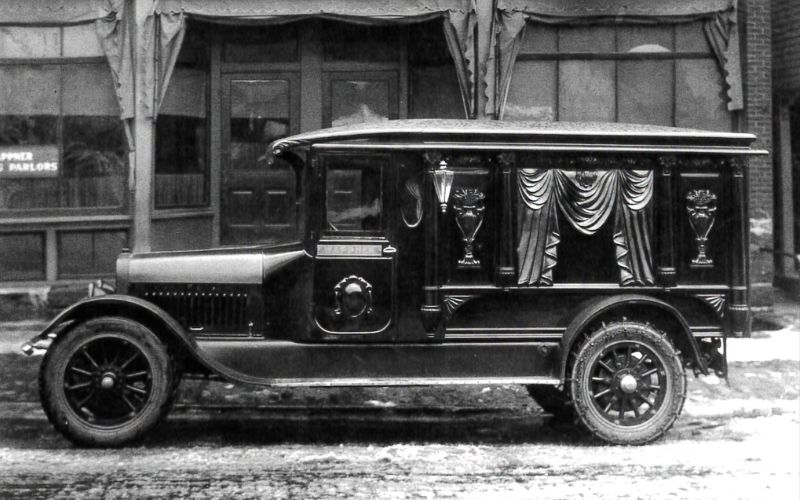
By 1917, A.J. Miller was building its own chassis and selling complete automobile hearses. During World War I, the company focused on automobile body construction rather than munitions. Its auto hearses sold well, and plans for a pleasure car line were underway when Ally Miller’s unexpected death in 1919 brought those plans to an end. The business continued under his son-in-law, John W. Grabiel, and his daughter, Clara Lee Miller Lentz.
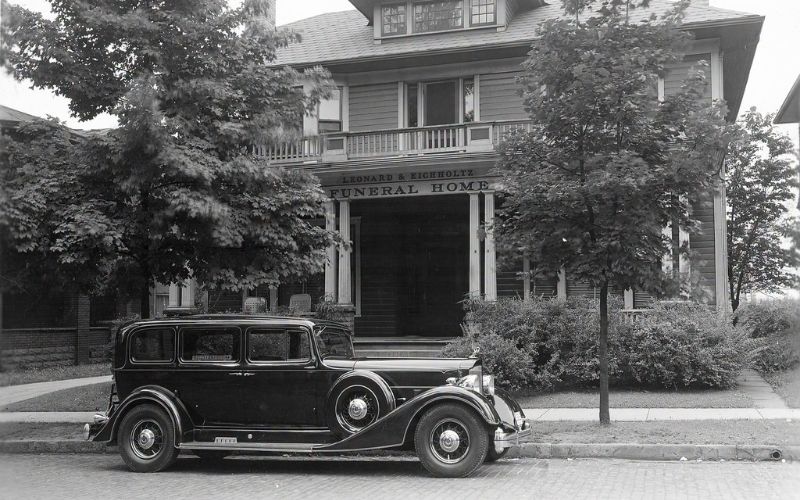
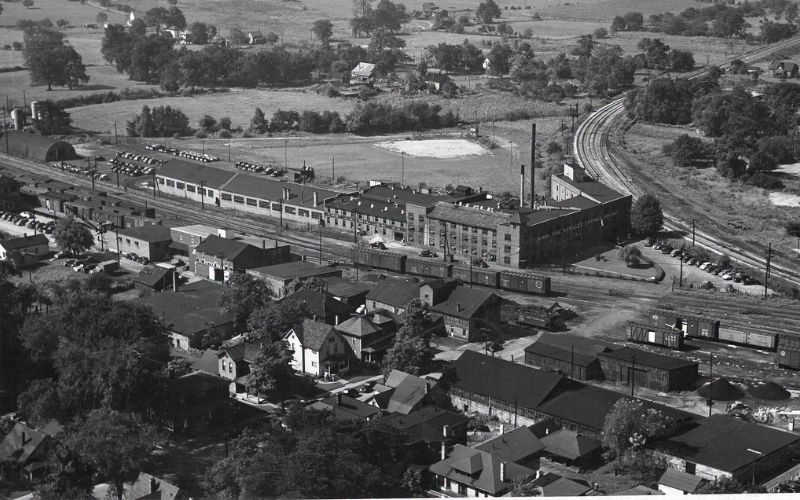
After the war, A.J. Miller built hearse bodies on Miller chassis and manufactured automobile bodies for Commonwealth Auto Co. When Commonwealth collapsed during the postwar depression of 1921, Miller was left with unpaid inventory and materials that were nearly worthless, forcing the plant to close.
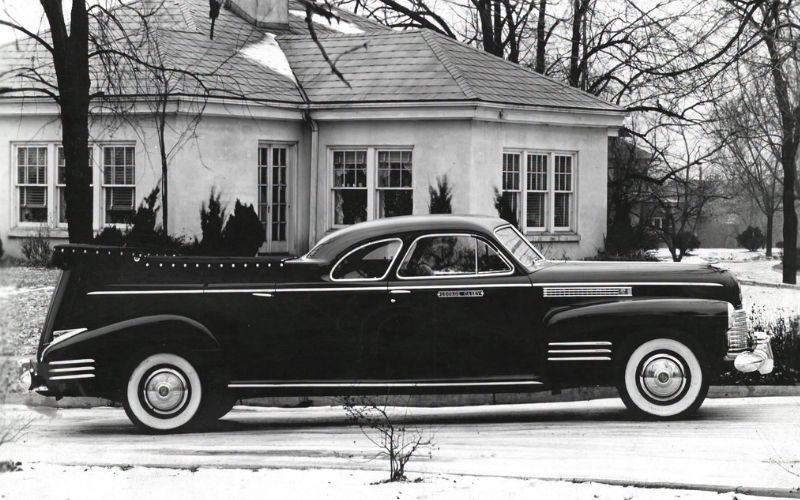
Albert R. Riggs, Ally Miller’s son-in-law, provided cash loans to protect the company from creditors and refocused the business on hearse manufacturing. He brought in Samuel N. Arni, former vice president at Meteor Motor, to lead sales and Milton C. Harrold to oversee manufacturing. Harrold later used his Bellefontaine home, now the History Center’s Orr Mansion, as a backdrop for new hearse photographs.
Production resumed in February 1922. Miller adapted unfinished hearse bodies for International Harvester chassis, sold stockpiled fine carvings, and introduced a new limousine-style hearse using materials originally purchased for Commonwealth bodies. Under the new management, the company paid off all debts in less than two years.
During the 1920s, Miller expanded its line with funeral car-ambulance combinations, “Red Star” bus bodies, and streamlined limousine bodies for Nash, Packard and Cadillac chassis. By the mid-1920s, the company ranked among the nation’s leading funeral car and ambulance manufacturers.
A.J. Miller remained in production throughout the Great Depression, refining its products and introducing the lower-priced “Benjamin Franklin” thrift model. In 1934, the company launched the Art Model, designed for funeral directors who wanted a vehicle with the appearance of a traditional hearse rather than a large pleasure car.
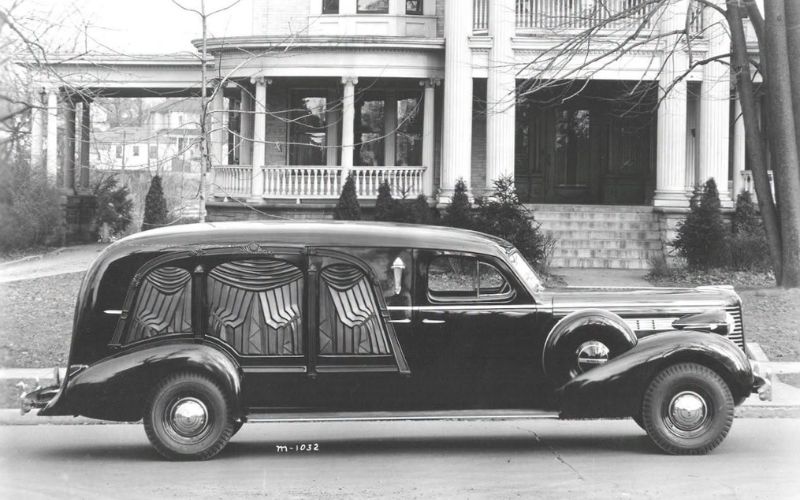
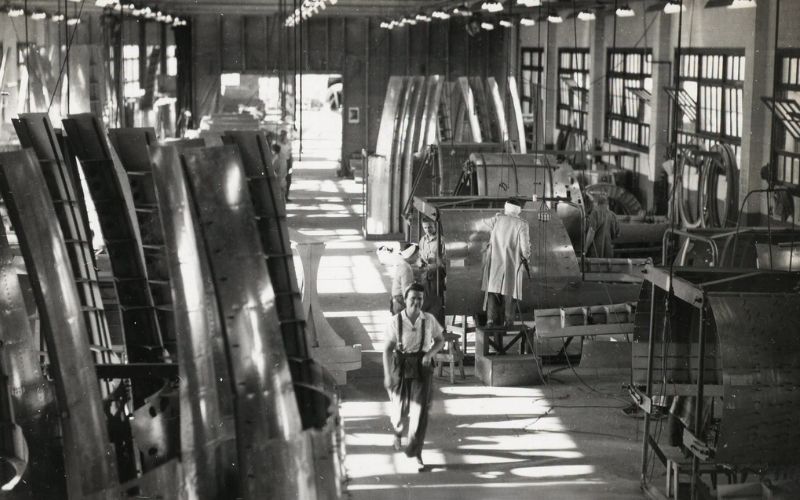
By 1937, A.J. Miller had surpassed all previous production records. Innovations during this period included all-steel bodies, “Tu-Level” seating, and hearse-ambulance vehicles with convertible floor sections. After Milton C. Harrold died that year, Albert R. Riggs became general manager, while longtime employee Nate W. Augustine became production manager and later vice president.
World War II brought another major shift. In 1942, the U.S. government halted automobile production, redirecting raw materials to military contractors. Miller’s first war contract came from Wright Field for trainer-plane repair parts, and the metalworking skills of its employees helped secure additional defense work.
Miller went on to build aircraft and military components, including fireboat hulls, camera mounts, engine cowlings, air ducts, exhaust vents, and engine nacelles for the C-46 cargo plane under a Curtiss-Wright subcontract. At its wartime peak, the plant employed up to 500 people, including about 150 women. After the war, material shortages and reconversion costs erased the company’s wartime profits.
By 1947, production was back online, and demand increased as funeral directors sought vehicles they had been unable to buy during World War II. By 1950, Miller offered 12 models and styles, but the cost of retooling for new model years continued to strain the company.
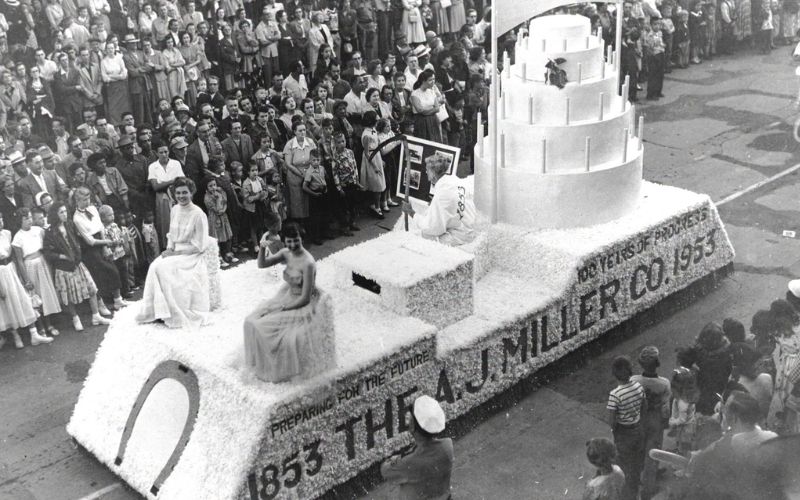
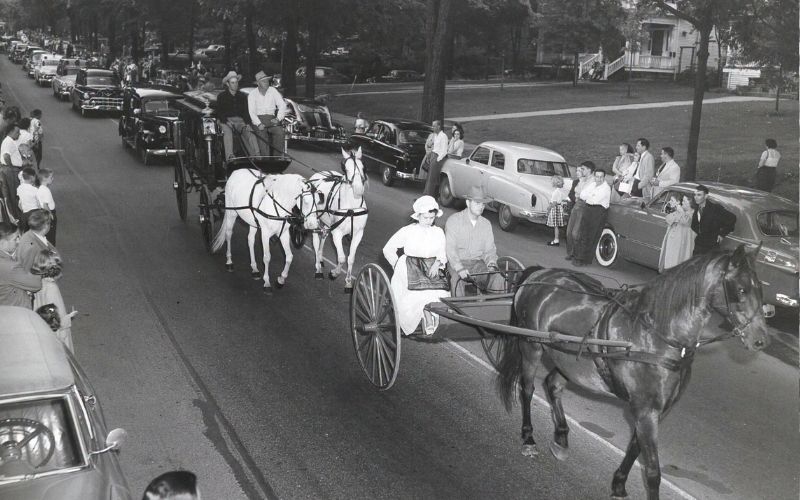
In 1953, the company marked 100 years in Logan County with a parade and plant tours celebrating a century of work, innovation, and local employment. The following year, Meteor Motor Car Co. of Piqua was absorbed by Wayne Works Inc. of Richmond, Indiana. Wayne Works also offered to purchase A.J. Miller, but the Miller board chose to explore other options, including a possible arrangement with Superior Coach of Lima. No agreement was reached.
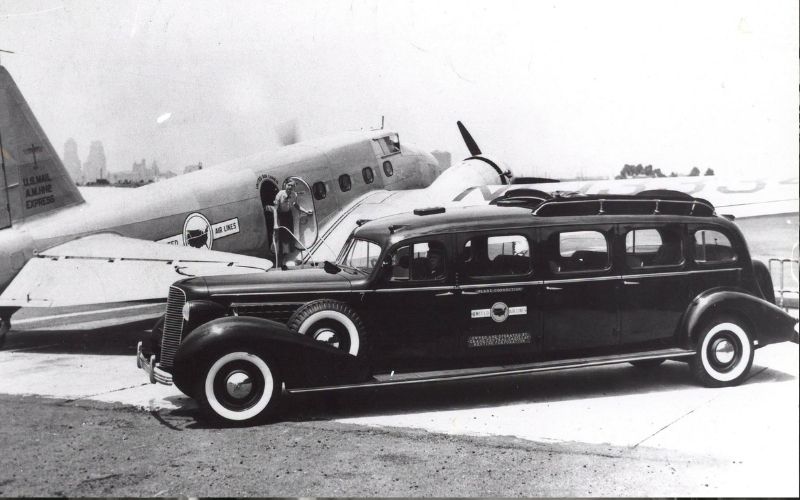
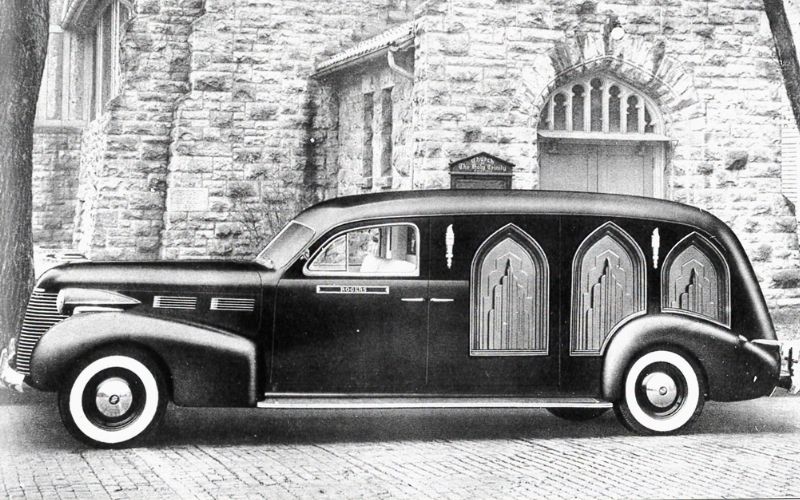
In February 1955, Miller president Richard N. McCracken informed the board that the company could not afford another major retooling for the 1957 model year and should reconsider Wayne Works’ offer. One year later, Miller announced that an agreement had been reached for Wayne Works to purchase the company. A.J. Miller then merged with Meteor Motor Car to form Miller-Meteor Co.
Following the merger, Miller-Meteor continued building professional cars on Cadillac chassis. The new firm quickly found success, capturing 50 percent of the professional car market and setting new sales records.
In 1959, the company produced the Cadillac Sentinel combination car, which could serve as either a hearse or an ambulance. Decades later, one of these models gained new fame when it was modified and used in the 1984 movie Ghostbusters. Production continued in Bellefontaine through the 1960 model year before operations moved to the former Meteor factory in Piqua.
Miller-Meteor closed in Piqua in 1979 as sales of high-priced professional cars declined and ambulance design shifted toward truck and van-style vehicles. A.J. Miller remains an important chapter in Bellefontaine’s industrial heritage, a story of craftsmanship, reinvention, and generations of local workers who carried the company forward.
Visit the Logan County History Center to learn more about Logan County history. The History Center is open for tours Wednesday through Sunday from 1:00 p.m. to 4:00 p.m. Admission is free.