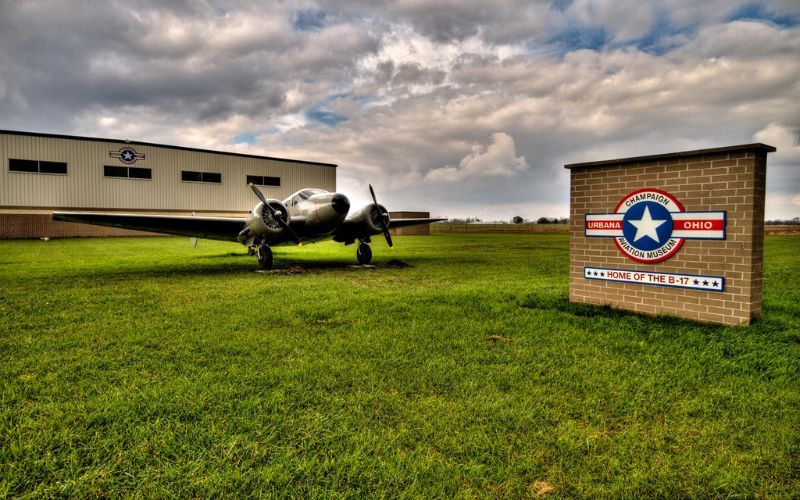
What began as a single shipment of aircraft parts in 2005 has grown into one of the most unique, hands-on aviation experiences in the region.
The Champaign Aviation Museum at Grimes Field traces its roots back to November 2005, when the original airframe of a Boeing B-17 arrived in Urbana with the ambitious goal of restoring it to flying condition. The project was spearheaded by local business leader Jerry Shiffer, a strong supporter of Grimes Field who was inspired after a B-17 landed at the airport and its pilot shared plans for restoring another aircraft.
Shiffer embraced the idea, not just as a restoration project, but as an educational opportunity — a way for students to learn aircraft construction and explore potential careers in aviation.
Tragically, shortly after the project began, Shiffer died in a plane crash while traveling to Montana. Rather than let the vision fade, his family chose to carry it forward.
That decision proved pivotal.
With growing volunteer support, the effort expanded, and by 2007–2008, the Champaign Aviation Museum was established as a nonprofit organization. Today, the museum remains almost entirely volunteer-driven, supported by a small core staff, and continues to reflect strong community involvement.
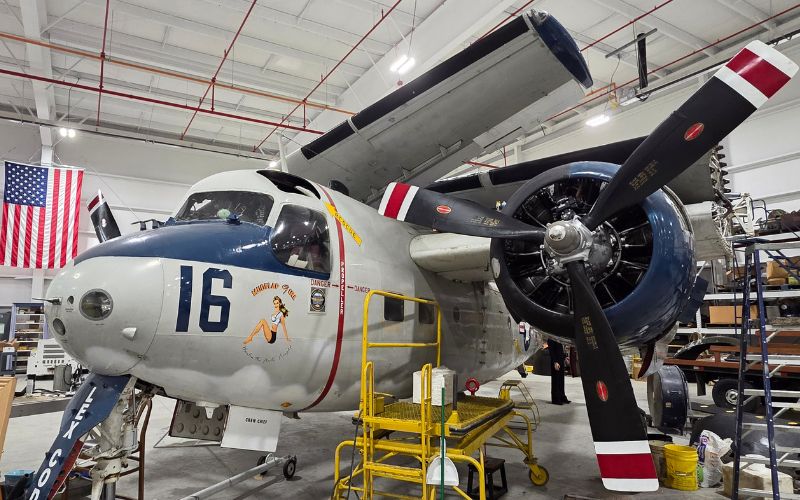
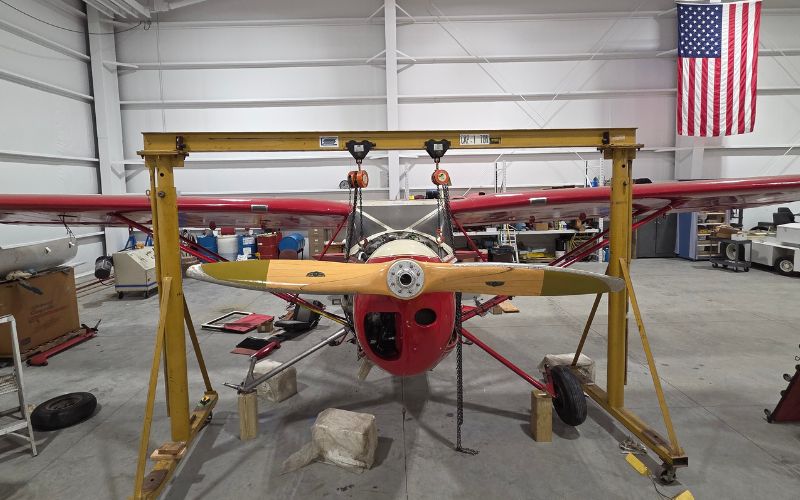
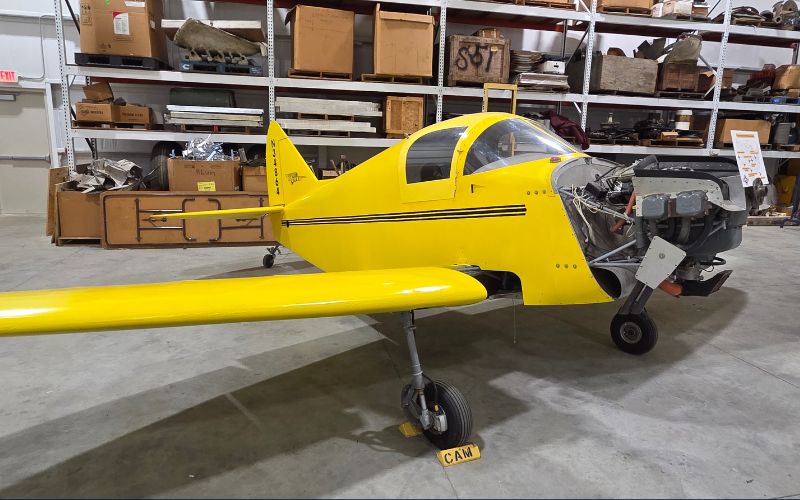
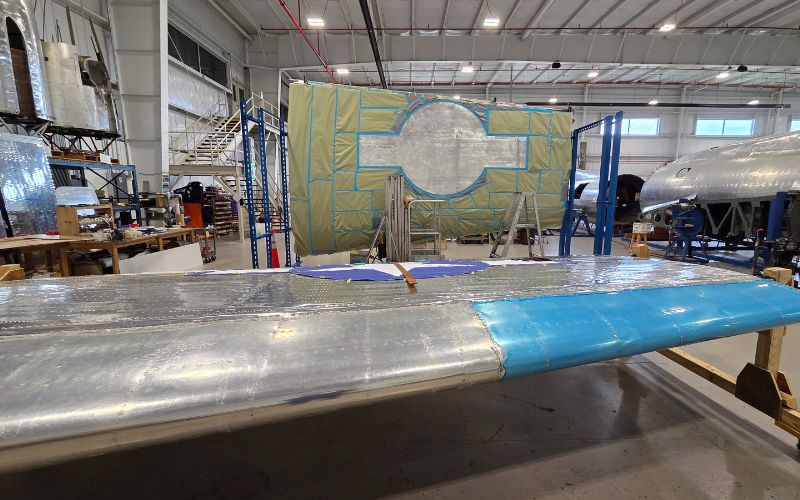
From there, it steadily evolved — adding exhibits, restoring aircraft, and building a reputation for its rare, hands-on approach to history. Visitors are even able to step inside the active restoration workshop, offering a firsthand look at aircraft construction and preservation in progress.
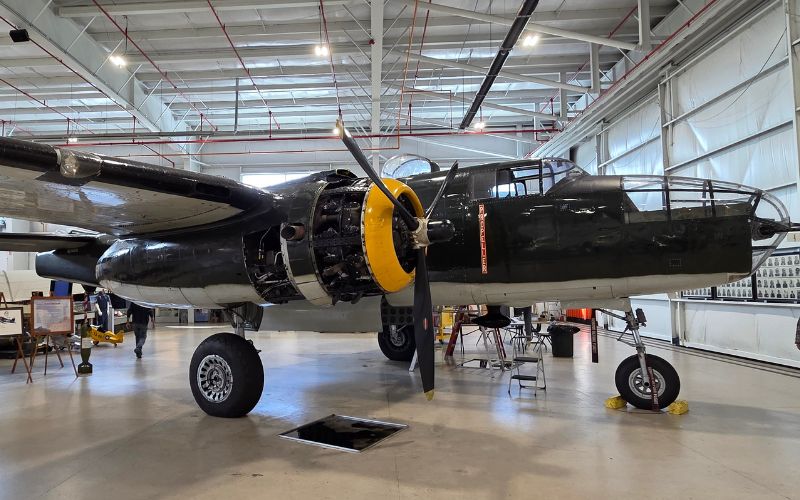
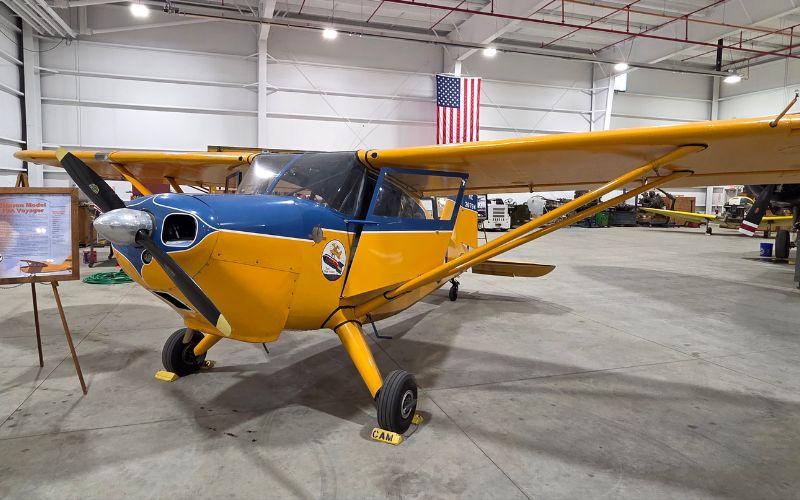
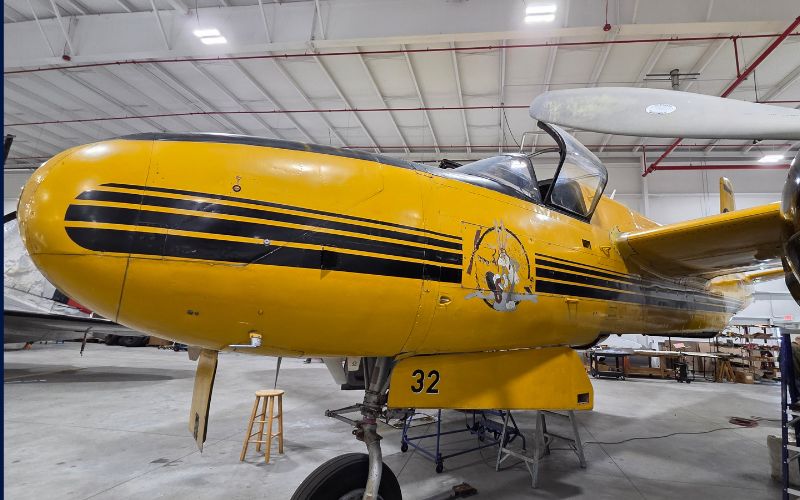
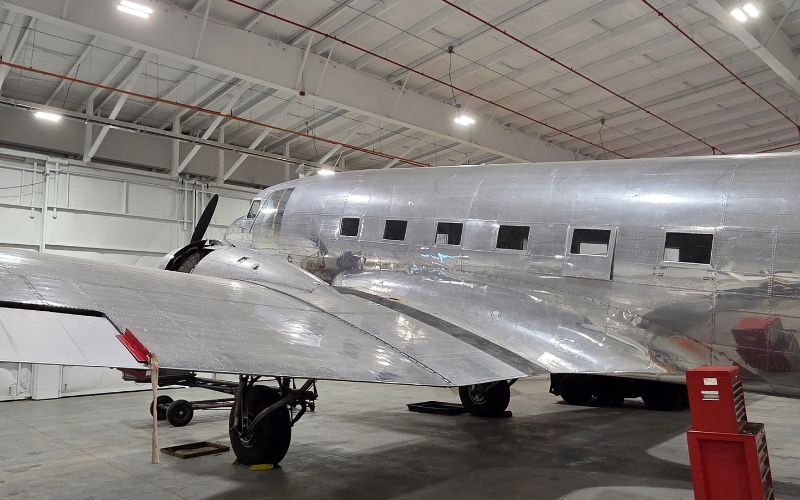
Today, the museum features a collection of operational World War II aircraft — meaning many of them still fly — along with exhibits honoring both local and national veterans. Displays include tributes to the Tuskegee Airmen and Women Airforce Service Pilots (WASP), as well as personal artifacts donated by families of WWII veterans.
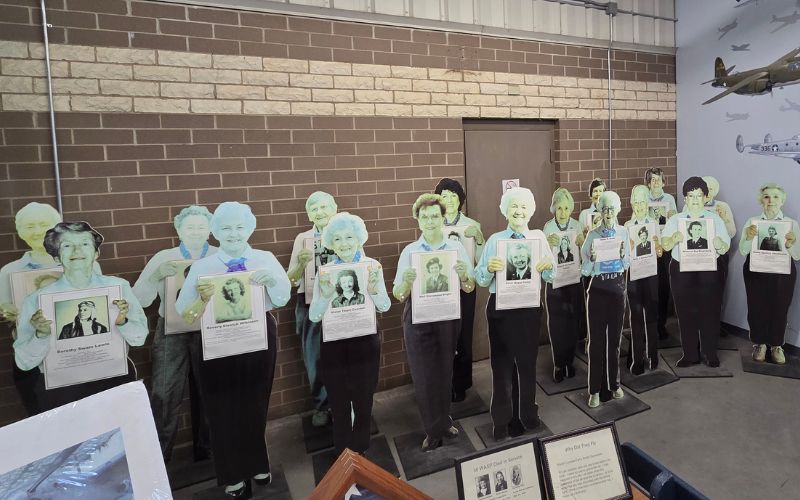
In fact, nearly everything inside the museum has been donated, from uniforms and memorabilia to aircraft themselves — creating an organic, grassroots collection deeply connected to the community.
The centerpiece remains the B-17 project. While one restored aircraft is already complete and open for visitors to walk through — a rare, immersive experience — work continues on another G-model B-17 being built largely from scratch using original blueprints from the Smithsonian. A major building expansion completed last year now provides dedicated space for wing attachments and other large-scale restoration work, allowing visitors to observe even more of the process.
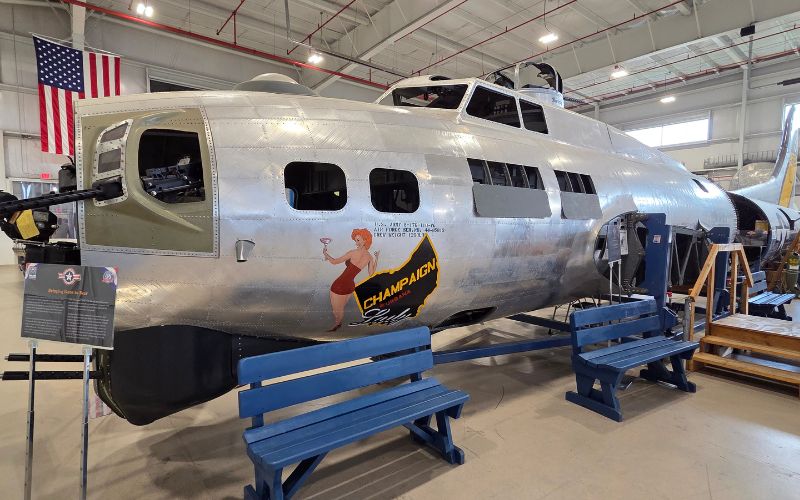
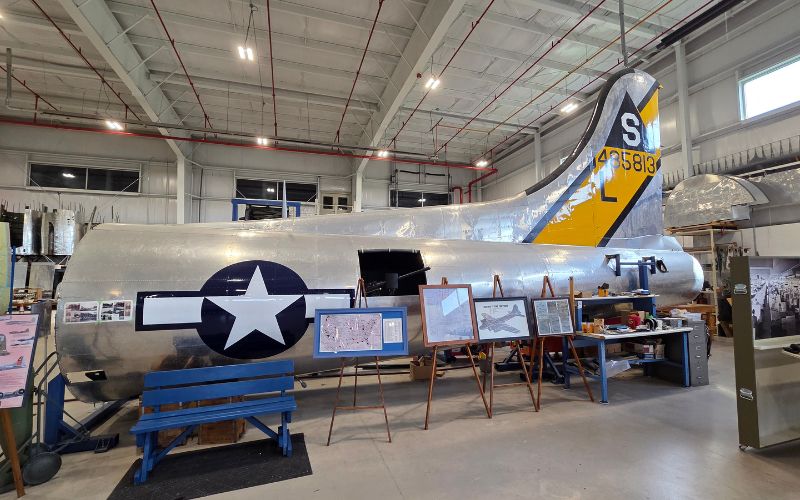
Visitors can explore the museum through self-guided tours or follow curated paths — including “Homefront” and “Warfront” themes — designed to tell the story of aviation and those who served. The experience is intentionally interactive, aligning with the museum’s mission: “Touching Lives by Restoring History.”
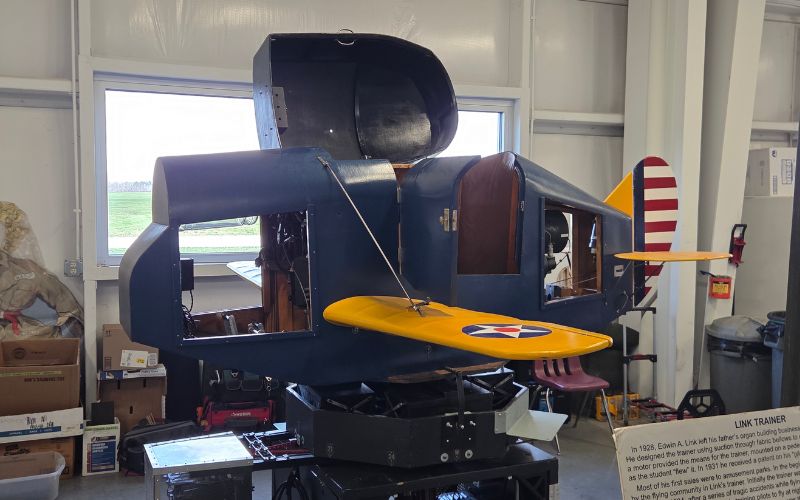
That mission extends beyond static displays. The museum emphasizes education through hands-on learning, including access to a historic flight simulator — an early model based on technology similar to player pianos, dating back to the early days of aviation training.