The Logan County History Center has submitted the following:
By: Mary E. Mortimer
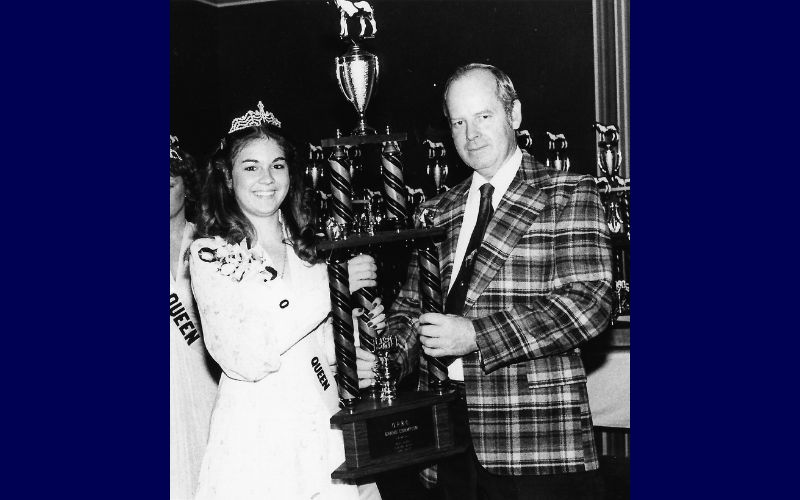
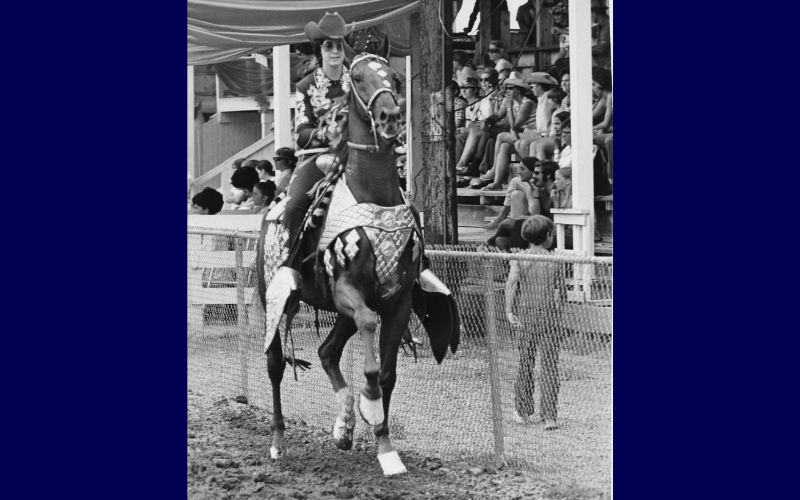
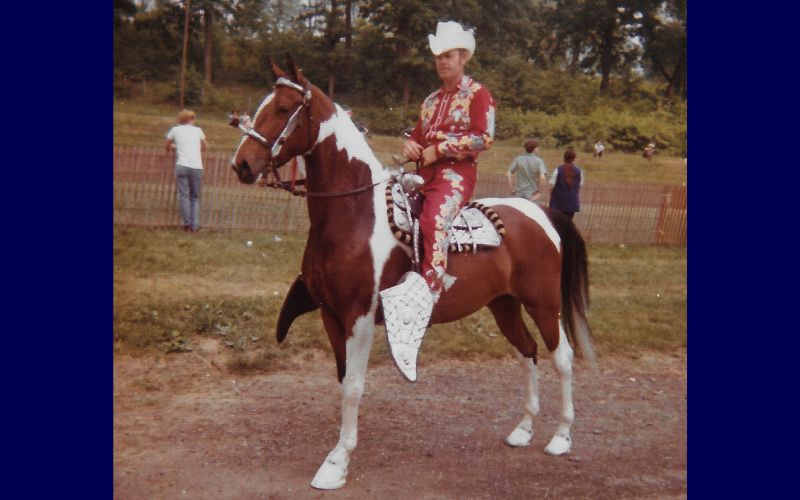
John and Jean Dixon earned nationwide recognition for their award‑winning Western Parade Horses and their accomplishments as respected breeders of show horses. Married in 1948, they spent nearly six decades on their farm near East Liberty. Both were deeply committed leaders in the Logan County 4‑H Horse Program, serving for more than ten years and mentoring countless young horse enthusiasts.
The Dixons began their married life deeply involved with horses, not merely as a hobby, but with a strong commitment to developing high‑quality show horses. John worked at Detroit Aluminum & Brass (DAB), and Jean operated a beauty shop in their home. Despite operating on a modest, shoestring budget, they demonstrated exceptional ability in selecting, training, and promoting horses that would become champions in the show ring. Their dedication and skill soon earned them a national reputation within the horse industry.
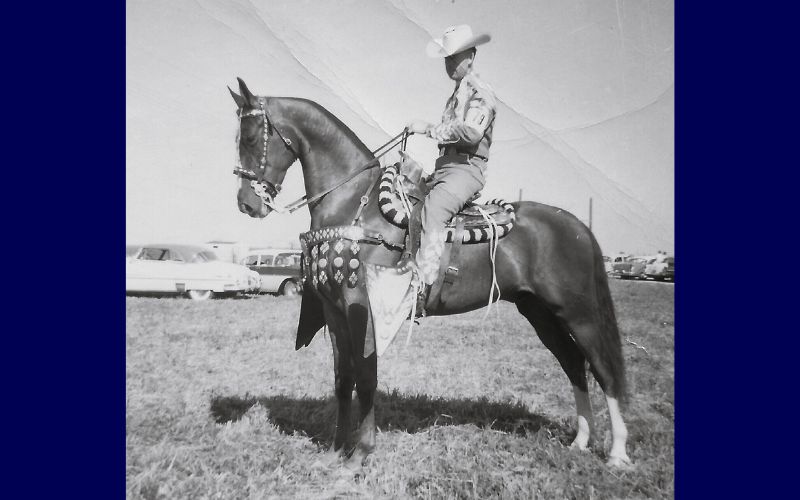
During the 1950s and 1960s, the Dixons achieved significant success in the discipline of Western Parade Horses. Their horses competed and won at numerous prestigious events, including the Mid‑Western Horse Show, Ohio Western Fall Roundup, and the Ohio Contest Exhibitors Association Year‑End Shows. They also earned notable placings at the Chicago International Livestock Show and the Kansas City Royal.
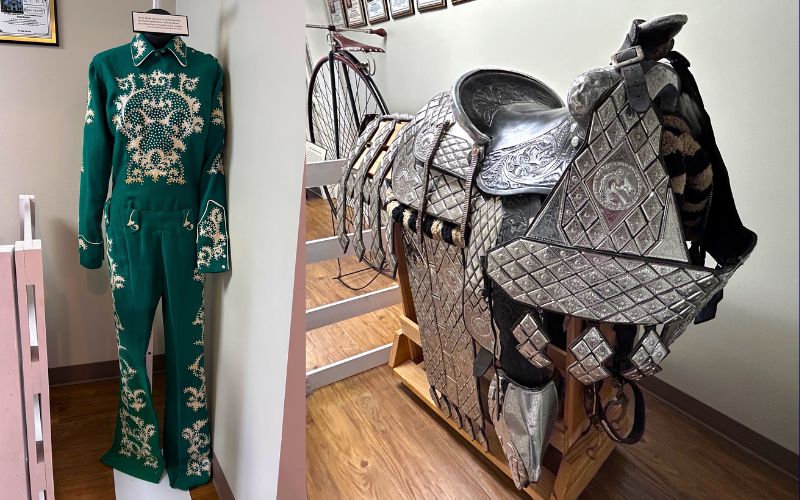
A highlight from this era was their silver show saddle used on several notable horses, including Silver Sundance, All Four, New Years Resolution, Taboos Golden Gem, Spat Cat, and others. The full parade horse ensemble consisted of the saddle, bridle, breast collar, serape, tail drops, and corona saddle pad. Riders wore vibrant, eye‑catching attire featuring extravagant hats, extensive embroidery, and sequined designs to complete the presentation. Horses’ hooves were often painted white using poster paint, then sprayed with silver glitter, while ribbons matching the rider’s outfit were braided into the manes and tails.
As the popularity of parade horses declined, the Dixons transitioned into the emerging American Paint Horse industry. In 1967, they purchased a two‑year‑old Paint stallion named Bear Cat. The following year, Bear Cat achieved national recognition by winning the 1968 American Paint Horse Association (APHA) National Champion Three‑Year‑Old Stallion title in Oklahoma City, Oklahoma. He also became the first stallion in Ohio to earn the title of APHA Champion and went on to receive Superior awards in both Halter and Western Pleasure.
Bear Cat became the foundation of the Dixon Paint Horse Farm breeding program. At the height of their operation, the Dixons maintained as many as thirty show horses and broodmares on the farm. Bear Cat consistently ranked on the APHA National Leading Sire lists for many years and produced numerous successful offspring, including Super Bear, Catty Comment, Bear’s She Cat, Honey Bear, Yogi Bear, and others. He was also named Reserve National Champion Get of Sire.
In recognition of his contributions to the industry, John Dixon was honored as an APHA Leading Breeder for many years throughout the 1970s and 1980s. Both John and Jean Dixon also served for extended periods on the Board of Directors of the Ohio Paint Horse Club, playing a significant role during the organization’s most active years.
The Dixons had two daughters, Becky and Carol. Becky was actively involved with showing horses, while Carol chose to pursue other interests. John Dixon passed away in 1991, but Jean continued in the horse business for another fifteen years. The Dixons often reflected that, although they never became wealthy from horses, those years were among the best of their lives.
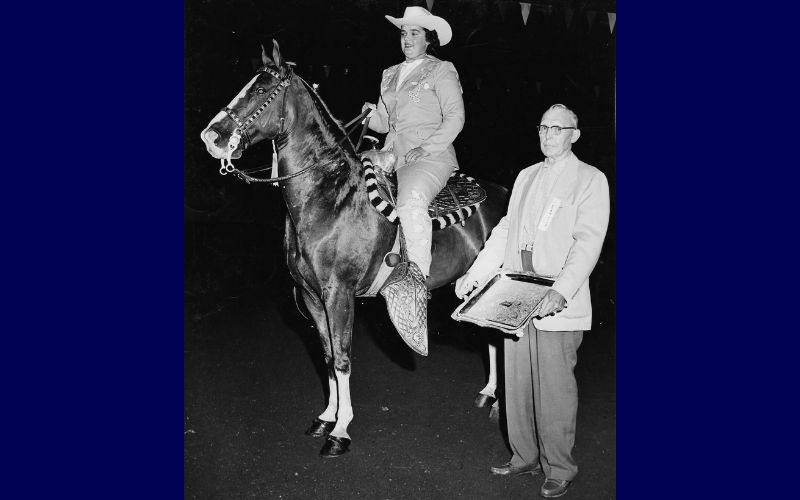
After Jean’s death in 2017, the Dixon family donated their silver show saddle, show suits, and photographs to the Logan County Historical Society. Although the saddle bears no visible maker’s mark, its craftsmanship and quality are consistent with that of a Ted Flowers parade saddle. Flowers was well known for his distinctive designs, often unmarked, and his saddles are now considered highly collectible and valued at thousands of dollars. The era of high‑stepping parade horses spanned roughly twenty years and came to a close in the late 1960s. During that time, only a handful of silversmith saddle makers existed in the United States due to the complexity and cost of producing such elaborate equipment. Notable features include carefully fitted diamond‑shaped nickel silver ornaments designed to eliminate sharp edges beyond the saddle’s leather components. The saddle and outfits are among the most outstanding exhibits and are favorites of visitors.
Visit the Logan County History Center to learn more interesting aspects of Logan County History. The History Center is open for tours Wednesday – Sunday from 1:00 pm to 4:00 pm. Admission is free.