



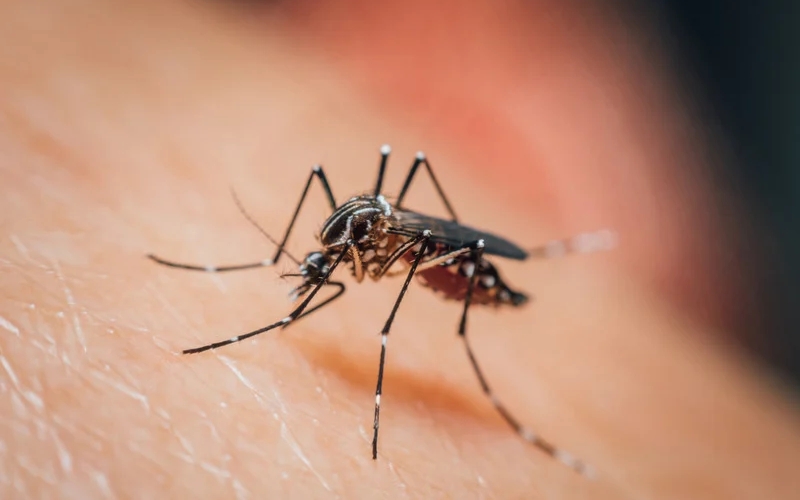
As summer temperatures arrive and more people head outdoors, Mercy Health is encouraging residents to take precautions against ticks and mosquitoes, which can carry serious diseases.
According to healthcare providers, tick and mosquito populations have expanded in recent years due to warmer and wetter weather conditions. As a result, the insects are becoming active earlier in the spring and remaining active later into the fall.

“Every year, we see cases of Lyme disease and other tick-borne infections increase as temperatures rise. Taking simple steps before you head outdoors can go a long way in keeping your family safe.”
— Dr. Jacob Dean, primary care physician, Mercy Health
Health officials note that cases of tick and mosquito-borne illnesses, including Lyme disease, West Nile virus, Rocky Mountain spotted fever, and Eastern equine encephalitis, have steadily increased nationwide over the past decade. The greatest risk period typically runs from April through October.
Mercy Health providers recommend several steps to reduce the risk of bites and disease transmission:
- Use insect repellents containing DEET, picaridin, or oil of lemon eucalyptus.
- Wear long sleeves, pants, and light-colored clothing when spending time outdoors.
- Check for ticks after outdoor activities, paying close attention to areas behind the ears, around the knees, and along the hairline. Pets should also be checked regularly.
- Eliminate standing water around homes, including in flowerpots, birdbaths, and other containers where mosquitoes can breed.
Residents are encouraged to contact a healthcare provider or visit an urgent care center if they experience an expanding rash, especially one resembling a bullseye pattern, flu-like symptoms following outdoor exposure, persistent fever or headaches, or signs of infection at a bite site.
“It’s important to get checked right away. Early detection makes treatment much more effective, and it’s often easier to prevent the long-term complications that sometimes come from untreated cases.”
— Dr. Jacob Dean, primary care physician, Mercy Health
Local health officials continue to recommend year-round awareness and prevention measures, particularly for families, hikers, and outdoor workers who spend significant time outside.
Additional information about tick and mosquito prevention, as well as appointment scheduling, is available through Mercy Health.


